Thursday, 11 October 2018

Fashioned From Nature: Designing a Sustainable Future

Fashioned from Nature at the V&A is an exhibition designed to encourage debate and raise awareness about the complex, uneasy and unequal relationship between fashion and the natural world, without preaching or causing feelings of guilt. Fashion takes inspiration from nature but also exploits it, and as the fashion industry has grown rapidly in scale since the Industrial Revolution it has become a global problem that is impossible to ignore.


Senior Curator Edwina Ehrman’s introduction to the Fashioned From Nature: Designing a Sustainable Future conference gave some fascinating insights into the design of the exhibition and also set the tone for the rest of the day: fashion has some hard truths to face up to but it is also a space for experimentation, innovation and beauty.


The first speaker was Professor Dilys Williams, Director of the Centre for Sustainable Fashion. She posed questions that challenged the audience to think about our intentions when we choose our clothes and dress ourselves. If our ability to project our identity through our clothes is an identifier of being human (no other species can alter their appearance in this way), what does that say about our relationship with nature? For four hundred years humans have believed that we could change or control nature, but the truth is that we are a part of nature, not separate from it. The current fashion system relies on inequality, and the imbalance between what we take from and what we give back to nature.


The Centre for Sustainable Fashion encourages the fashion creatives of the future to look at the fashion industry through different lenses, considering power, culture, nature and society. Rather than putting economy before ecology, we need to work towards an era of interdependence, using our imaginations to construct new identities which are more in sync with the world around us.


Kathy Gomez, the Vice President of Innovation at Nike, talked about the new techniques the brand is pioneering to achieve their goal of increasing sales while dramatically reducing their environmental impact. An interesting fact I’ve noticed during the time I’ve been writing this blog and looking into sustainable fashion is that brands that run their own factories have many more opportunities to change and improve their practices. For instance, the plastic used to make the air soles for Nike trainers can be recycled and reused in-house because Nike own and operate the factories.


Journalist and vegan fashion advocate Bel Jacobs was joined by director of sustainability at Stella McCartney Claire Bergkamp for a conversation about the search for alternatives to animal products for the fashion industry. Even as an emerging designer, Stella McCartney was adamant that she did not want to use leather, so from the start the brand had innovation at its core. Not wanting to offer products that were an inferior quality, collaborations with traditional manufacturers that had moved with the times to stay in business were often the answer when it came to finding artisans to work with new materials. The search for new materials has led to a collaboration with Bolt Threads, who make lab-grown spider silk and mycelium leather, and the brand has embraced the opportunities for creativity and change that come with pioneering the use of new fibres.


After lunch (an opportunity to sit in the V&A garden and digest everything I’d just heard) the afternoon’s presentations began with founder and director Nina Marenzi and curator and consultant Amanda Johnson from The Sustainable Angle, a not-for-profit that aims to connect the makers of sustainable textiles with buyers from the fashion industry. They run the Future Fabrics Expo, which showcases thousands of samples of new and innovative materials (you can read more about my trip to the Future Fabrics Expo in this blog post). Many of their most successful fabrics use post-consumer waste from a variety of industries to create fabrics that are a great substitute for their cruel or polluting “natural” alternatives. Leather is being replaced by some brands with Pinatex, made from pineapple fibre, or Frumat, made from apple pulp. Malai is made from coconut water waste, grown onto a banana fibre base, while post-consumer plastic bottles can be made into a synthetic down substitute for jackets which feels and behaves just like the real thing.


Oya Barlas Bingul from Lenzing gave us an overview of the company’s latest sustainable textile innovation: Refibra. Taking cotton waste from the manufacturing process and combining it with lyocell creates a natural fibre which reduces both  textile waste and the need for ever-increasing quantities of raw materials. Lenzing maintains a traceable and transparent supply chain for their fabrics, viewing innovation as a necessity: “don’t settle for the way things are, push for the way things could be”.


Dyeing is a hugely impactful part of the garment-making process, responsible for large-scale water pollution in countries like Bangladesh, but Orr Yarkoni, founder of Colourifix, had some good news about revolutionary sustainable processes that are currently being developed. Colourifix’s new technology will first ferment synthesised pigments from naturally occurring colours before the dyeing process begins, which improves the absorption of the dye by the textile fibres. This new technology will be compatible with existing dyeing infrastructure, and can be used on yarn, fabric or garments. It also successfully dyes both synthetic and natural fibres, unlike many other dyes.


PhD researcher Miriam Ribul is interested in fashion on a molecular level, investigating better fabrication models for an already abundant source of plant-based textile waste: cellulose. In the past, cellulose could only be made into fabric using toxic chemicals, but new technology is making cellulose regeneration a cleaner and safer process. One key problem that limits current textile recycling is the lack of information about what chemicals have been used to dye or treat the fabrics, and if the garment label has been removed or damaged even the information about the mixture of fibres in a garment is lost. DNAture material coding would embed this information in the fibres themselves, so a quick glance under UV light and a microscope would provide all the relevant information about the garment.


Carry Somers, co-founder of Fashion Revolution, sat down with Amy Powney from Mother of Pearl to bring fashion back to the personal. The two women spoke about the ways in which their unconventional upbringings had paved the way for a career in sustainable fashion: living off-grid meant they didn’t take modern conveniences for granted. A parental lack of concern about her street cred at school led Amy to obsess about saving up for the latest trends, and she remembered every detail about these precious passports to teenage acceptance. Being detail-oriented meant that Amy wouldn’t accept a lack of knowledge when it came to starting her own label, and her search for information took her all the way to South America. Interestingly, sourcing a collection from scratch rather than relying on existing supply chains has reduced the costs of manufacturing this collection, rather than increasing them.


From the molecular to the global, there are positive changes to be made at every level of the fashion industry. We can learn from the past, as the Fashioned From Nature exhibition shows us, and we can overcome the current problems in the industry by learning from one another and collaborating, fashioning the identities that will shape a better future.

You can also read my review of the Fashioned From Nature exhibition here, or catch it at the V&A until January 2019.

Thursday, 4 October 2018

Re-making homemade clothes (now with added pockets!)

Making your own clothes can be a great way to opt out of the cycle of fast fashion impulse purchases and inevitable dissatisfaction. It will teach you the worth of clothes, as you’ll learn how long they take to make and the variety of skills you need. It can also be an opportunity to finally have clothes that fit properly, rather than having to make do with the imperfect sizing of mass-produced clothing. But there are also pitfalls to making your own clothes, so how do we overcome these to make home dressmaking truly sustainable?


One of the main advantages of making your own clothes is that you can make something to your exact specifications. But when you’re short on time or money, it’s all too tempting to cut corners in order to have something new to wear as soon as possible. It’s also easy to be seduced by fabric that might not fit with your personal style, to buy more fabric than you’ll ever be able to use or to make things you might not want to wear over and over again. The cycle of overconsumption is difficult to break out of, even when it comes to hobbies that can have many positive benefits. 


I made a dress and cardigan-style jacket about five years ago, but I had noticed that they had crept to the back of my wardrobe, and I’d constantly favoured other clothes over them. I didn’t want to get rid of them, but I did have to be honest with myself about why I wasn’t wearing them, and work on ways to make them more wearable. 


At the Style Yourself Sustainable event (find out more in this blog post), Alex from Sewrendipity spoke about her handmade wardrobe, and the pride she takes in all her creations. She keeps everything she makes, but frequently goes back and fixes faults in garments she made earlier in her sewing career as her knowledge of techniques improves. One of the things I love about sewing, and why it has made such a satisfying career for me, is that there is always something new to learn. Even though I sew professionally, I’d be the first to admit that I cut corners when I make things for myself, and that there is always room for improvement!


My navy dress was a nice shape, but it was very plain, and it could definitely have benefitted from the edition of some pockets! I’d kept the leftover original fabric (I must have subconsciously realised that I needed to go back and add to it) so adding pockets wasn’t a difficult job (to find out more about adding pockets to your clothes, check out my previous blog post about pockets). 


I realised I’d been quite reluctant to go back to the dress and add pockets because I’d considered it finished, so I was interested to see Amy Twigger Holroyd discuss this problem in her book Folk Fashion: Understanding Homemade Clothes. Over the course of her research, Amy had discovered that makers were more reluctant to go back and fix shop-bought or finished homemade items, as the complete or “closed” nature of these garments made them more intimidating to tackle. Clothes that were damaged or unfinished were seen as less daunting because they were “open”, inviting the maker to alter or fix them. Despite ignoring the dress for a year, it only took me an hour to add the pockets, and I wish I’d done it sooner! 


I also wanted to embellish the dress, so the simple pattern of running stitches around the neckline, waist and hem became something I could do without having to apply much thought on long train journeys, or when I wanted something to do with my hands while watching TV (If anyone else struggles to stop multi-screening I’d definitely suggest a simple embroidery project). The fabric of the dress looks interesting up close, but looks dull and flat from far away, so the glossiness of the thread adds a new layer of texture. Keeping the thread the same colour as the dress fabric means the embroidery isn’t overwhelming; it draws attention to the cut of the dress rather than overpowering it.


My jacket was even simpler to tackle: of course the main issue (again) was that I hadn’t added pockets! I didn’t just want to slap on a plain square patch pocket, so I used the reverse side of the fabric, matched the motifs up with the ones on the coat, and cut pocket shapes that echoed the shapes on the fabric. This has added a bit of textural interest to an otherwise flat and boxy garment, and the slight slouchiness of the pockets adds a bit of volume over the hips, subtly altering the proportions of the jacket without adding more waist shaping, which would have changed my original design. 


By looking through my wardrobe and working out which garments I preferred wearing and why, I was able to make alterations to this dress and jacket to make them more wearable. The issue of pockets (or the lack thereof) in women’s clothing is a bit of a hot topic right now, but I genuinely feel frustrated with an outfit if it doesn’t have pockets. I carry a backpack most days when I travel to work, so I need somewhere safe and accessible to put my phone and Oyster card. And yes, I know we probably shouldn’t be as reliant on our phones as we are, but I like to listen to podcasts on mine at work. A phone-sized pocket means I don’t have to waste time fiddling with my phone and headphones every time I leave my desk to go to my sewing machine or the iron (some of my colleagues have made little cross-body pouches for their phones or MP3 players, so maybe this is a topic for another time?)


The best thing about making or altering our own clothes is that we get to decide which features are important to us. Fast fashion cost-cutting means we aren’t going to get everything we want from a garment. Breaking out of the fast fashion cycle means retraining ourselves to see our clothes as “open” garments which can change with us, and seeing the time we put into improving our clothes as time well spent.

Thursday, 27 September 2018

Style Yourself Sustainable: swapping, shopping, sewing and more...

Trying to make changes to our wardrobes can feel overwhelming, and ethical and sustainable brands are at a disadvantage when fast fashion has such an overwhelming presence both online and on the high street. But for those of us who are looking for something a little more personal, both in terms of style and shopping experience, a community of likeminded people are working together to make this happen.


Rachel Kan, founder of Style Yourself Sustainable, put together a great event at Hackney Showroom,  showcasing many different but stylish options for a more mindful wardrobe. The day included talks, sewing workshops, vintage and sustainable brands, and a swap shop, demonstrating that there are a wide range of solutions to the current problems with the fashion industry.

Sustainable brands were represented by Komodo and WYNAD clothing, and Rob from WYNAD, along with Lizzie from We Resonate, Alicia from Bourgeois Boheme and Kate from Fabrikk took to the stage to talk about the stories (and struggles) behind their businesses. 


Rob spoke honestly about the difficulty of keeping track of the supply chain. He worked with NGOs like SAVE, who were able to direct him to Jacob’s Well, a garment factory which trains and employs vulnerable women and pays them a living wage. He also had to work hard to find a dye house that was environmentally friendly. WYNAD clothing are pioneering the use of Lotus silk, made from the stems of lotus flowers. It is soft and wrinkle-free, and an ideal cruelty-free alternative to traditional silk.


Lizzie from We Resonate makes her one-off dresses from vintage silk scarves. She recognised the importance of employing a good seamstress who could work with luxury fabrics, and wanted her brand of sustainable luxury to be truly handmade and unique.

Lizzie and Kate from Fabrikk both talked about the high price points of their products relative to high street fashion. Huge economies of scale combined with the use of sweatshops has made the price of clothing and accessories artificially low. Paying a seamstress a London wage for her expertise means that We Resonate dresses are a good reflection of what good quality, unique clothes actually cost to make.


Fabrikk make bags and accessories from cork, combining sustainable vegan materials with wearable tech to create handbags with interiors lit by LEDs; perfect for finding your wallet or keys in the dark! Like Bourgeois Boheme, who make smart and stylish vegan shoes, Kate wanted to find a leather alternative that wasn’t plastic-based, and had its own set of aesthetically pleasing qualities rather than simply being a substitute for leather.

Alicia from Bourgeois Boheme talked about her interest in working with innovative new materials: while the leather industry is a major source of pollution (not to mention cruelty to animals) simply replacing leather with plastic poses its own set of sustainability problems. Bourgeois Boheme use materials like Pinatex, which is made from pineapple fibre, but working with new materials takes a lot of development and time, and many new sustainable materials are not at a stage in manufacture where they can be scaled quickly.


While I love bold and striking sustainable innovations, I realise that statement dressing might not be everyone’s cup of tea. We also need to make sure the everyday clothes in our lives are sustainable, as these are the things that are going to get worn (and replaced) most often. Komodo make eco-friendly wardrobe staples: soft organic cotton t-shirts and jumpers, and colourful bamboo socks, as well as stocking jeans from brands like MUD and Monkee Genes. Seeing such a range of ethical brands was really encouraging; showing that sustainable fashion isn’t just one style but is available for everyone is really important.


Of course, another excellent option is to buy secondhand, and Style Yourself Sustainable had a great selection of vintage sellers, who have each curated a beautiful selection of desirable vintage clothes. Lucinda Vintage has antique theatre costumes amongst her sparkly stock, Honeykins Vintage has a kaleidoscope of eye-catching prints and colours, and Retold Vintage has a very contemporary looking collection of classic pieces. There was also statement jewellery by Twisted Vintage, made from upcycled pieces of broken vintage jewellery cleverly remade into something unique.


Manifesto Woman had a great selection of good quality secondhand clothing, including designer labels at very reasonable prices. Style Yourself Sustainable also had a swap shop rail; I took along a few unwanted items and came away with a beaded vintage jacket! It’ll be making an appearance on Instagram soon, so keep an eye out for it!


Sewing is an important skill when it comes to maintaining a sustainable wardrobe, and combined with some creativity we can use these skills to transform our clothes. Kate from Time to Sew taught a workshop where participants made a zero-waste skirt in an hour, showing that sewing doesn’t have to be time-consuming or complicated. The Style Yourself team taught a bag-making workshop; a good-quality tote bag is a must-have for a sustainable lifestyle, and a quick sewing project like this can improve confidence if you’re new to using a sewing machine.


I also taught a short workshop, showing some easy options for mending clothes. I brought along some samples from previous blog posts on hemming, and invisible mending, as well as demonstrating a basic darning technique and handsewing stitches. I wanted to show that sewing is accessible to anyone who can get their hands on a needle and thread, and an expensive sewing machine or fancy gadgets aren’t essential when it comes to repairing your clothes.


Another important aspect of a sustainable wardrobe is, y’know, actually liking your clothes and wearing them! Alex from Sewrendipity, who describes herself as a “sustainable living striver” talked about her rules for owning a more mindful wardrobe. Alex advises shoppers to think carefully about what we add to our wardrobes, and to look for garments that will be with us for the long haul. She is a woman after my own heart, emphasising the importance of knowing what’s in your wardrobe and keeping track of what you wear regularly and why to inform future purchases. Alex also makes most of her own clothes, and talked about the way it had helped her to see her wardrobe differently; she knows how long clothes take to make, and the effort that goes into them.


Roberta Lee from the Ethical Brand Directory also appeared via video to dispense some holistic style advice. Wearing our values should be a key factor in deciding what to wear; as well as reflecting our personalities and aspirations, our clothes should reflect the positive change we want to make in the world. Roberta’s work as a stylist, coach and sustainable fashion advocate are closely linked, and her stance on fashion resonates strongly with me: enjoying clothes and taking care of your appearance isn’t shallow, but it needs to align with your values to be truly empowering.


The weather took a turn for the worse during the course of the day, with grey skies and pouring rain reminding me that I didn’t have a stylish waterproof coat. As if by magic, a gold rain mac caught my eye at Retold Vintage. I had planned to buy something in a neutral colour, but when I put the coat on in front of the mirror I couldn’t help but giggle with glee - the thought of putting on an actual ray of sunshine on a dreary morning really appealed. I also treated myself to a pair of earrings from We Are Africa so I can sparkle even on the gloomiest of autumn days! To me, this is what sustainable style is all about: clothes that bring you joy, that you can’t wait to wear over and over again.

Thursday, 20 September 2018

My Slow Fashion Summer: no new clothes for three months!

I know some readers are probably rolling their eyes at the title for this week’s blog post. I know I am lucky to be able to afford new clothes fairly regularly, and that many people have to prioritise other expenses when they really do need new clothes for themselves or their families.


Collaction's Slow Fashion Summer isn’t about shaming people for their shopping habits, it’s about challenging the way the fashion industry tries to drive consumer demand. With high street fashion chains launching new stock in store every couple of weeks, we are encouraged to become dissatisfied with our clothes faster than ever before. The average item of clothing is only worn four times before being discarded, so refusing to buy into this for a few months is a good way to reassess the way we shop.

The rules of the Slow Fashion Challenge only stipulated no new clothes, so here are all the alternatives I found to ensure I could still have a fabulous summer wardrobe!


Wear clothes that are waiting to be worn
Being a vintage fashion fan means snapping up those bargains whenever you see them, so I bought summer dresses in the autumn and winter, then had to wait for the appropriate weather to wear them! The wait was worth it though; I’ve had so much enjoyment (and some lovely compliments!) from wearing these fab frocks! You can check out some of my other vintage finds here.


Clothes swaps
Even when we shop sensibly, we still end up with clothes that we don’t really wear any more. As well as rummaging through my sister’s cast-offs and picking out a few gems, I also went to Walk In Wardrobe and exchanged some of my old clothes for some lovely new ones! Stylist Daisy Schubert has come up with an innovative “rule” for her swap shop: you’re not limited to a number of items, you just have to try everything on to make sure you actually like it! That way everyone ends up with clothes they will actually wear, rather than more items destined for the back of the wardrobe.


Charity shops
Giving to a good cause and stopping secondhand clothes from ending up in landfill means that buying clothes from charity shops is very much still allowed under the rules of the Slow Fashion Challenge! In the spirit of the challenge I didn’t indulge in a lot of impulse buys, but I did treat myself to this straw hat to keep myself cool in the heatwave!

Rent a one-off outfit
For anyone who is expected to have an ever-rotating wardrobe of fabulous clothes for events, clothing hire service Wear the Walk has you covered! I wrote about my experience hiring clothes from them in this post.


Transform the clothes you are reluctant to wear
I had picked up a silk playsuit at a clothes swap years ago because I loved the style, but I never really felt that the peach colour suited me. An hour with a bucket, a pair of thick rubber gloves and a sachet of hand dye, I had a playsuit that was much more my style!


Use up your fabric stash
If you make your own clothes, it can be tempting to fall into the trap of impulse-buying new fabric for projects before you use up the fabric that’s already in your stash. And if, like me, you love buying vintage fabrics, special finds can end up cluttering up your cupboards for months while you wait for inspiration to strike!

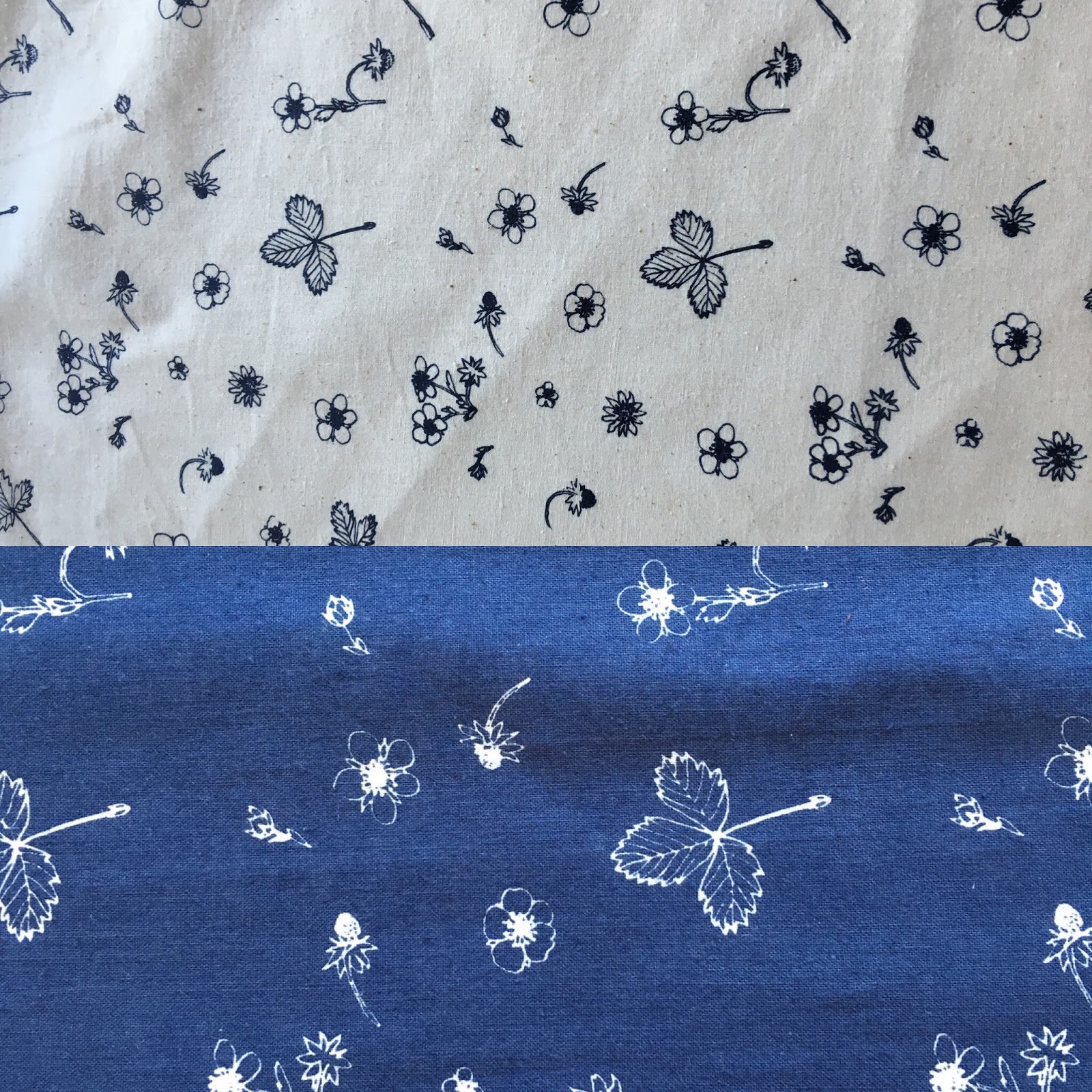
I only had a 70cm long piece of this blue fabric, and 90cms of the contrasting cream, so I knew I wanted to use them in the most efficient way possible. I ended up making this two-piece ensemble, with only a handful of scraps left over. I was also able to use up a few mother of pearl buttons from my button stash to add an interesting fastening detail.


Break the rules
So, did I go three months without buying anything new? Almost. I’d like to think that my one new purchase was for a good reason, though. Sophie, the owner of Gung Ho Design, also runs monthly beach clean-ups on the Thames foreshore. Seeing an ethical brand owner really living her values made me want to support what she is doing, so I treated myself to a pair of Gung Ho earrings (as well as going to the beach clean-up, obviously)!


Knowing what we already have in our wardrobes, and thinking about how we can transform average clothes into clothes we love, or swap clothes we don’t love for clothes we do, means we don’t have to head to the shops nearly so often. Organising or going to a clothes swap is much more sociable than filling our online shopping carts with impulse purchases, and sewing some simple alterations can make our clothes fit better, and give us a new appreciation for the people who made them! I might have to make a few new (ethical) clothing purchases as we head into autumn, but I’m also working on plenty of alteration and embellishment projects, so check back soon for more sustainable fashion inspiration!

Thursday, 13 September 2018

The Festival of Natural Fibres

After a lovely mid-week mini-break at the Knepp Estate learning about rewilding, heading to the Festival of Natural Fibres at Craft Central felt like a good way to end a week of annual leave. Thinking about more sympathetic ways to use the land, making use of our natural resources and respecting skilled craftspeople rather than creating environmental devastation in pursuit of a never ending supply of cheap “stuff” felt like an important conversation to have across as many industries as possible.


And the Festival of Natural Fibres really was a conversation. Organised by the Khadi Initiative , the event brought together British farmers, Indian cotton spinners and weavers, and the owners of sustainable brands who are truly committed to forming and maintaining sustainable supply chains to share their expertise. It was eye-opening to hear how wide-ranging the challenges are that face a truly sustainable fashion industry, but heartening to hear that so many people are working across industries and across continents to create a better industry for people and the planet.


Rather than summarising each panel discussion, I’ve put together a list of the problems (some of which I didn’t even know we were facing) and their inspiring and creative solutions.


Cotton: the world’s problematic fave
The history of cotton spans millennia, and takes in numerous destructive conflicts, including the British invasion of India and the Transatlantic slave trade. Cotton is an incredibly thirsty crop, and the fashion industry’s constant demand for this popular fibre has devastated natural water resources. The modern industrial farming of cotton relies on chemicals that are destroying the health of farmers in India and their families. Organic cotton farming, and hand spinning and weaving is an important part of Indian tradition; the fashion industry should be paying a fair price for their skill and expertise. The people who carefully honed a manufacturing method should not be paying for “progress” with their health. Speaking of...


The dark satanic mills of Britain’s Industrial Revolution, where adults and children alike toiled in dangerous working conditions, are thankfully a thing of the past. But when Britain sold off our outdated mill machinery, we not only destroyed a part of our heritage, but also the local economies that depended on these industries. The British climate is ideal for growing flax (linen was a traditional part of our textile industry), hemp, and sheep farming is a common feature of our landscape, but we no longer have the machinery capable of spinning or weaving a wide range of different fibres on an industrial scale.

Affordability is always an issue when it comes to ethical and sustainable fashion. While it’s becoming aspirational for people in affluent areas, there is always the worry that it could just be a passing trend like any other. People on low incomes will have expenses they need to prioritise over organic or fair trade fibres, and there is no getting away from the convenience of easy-care synthetics that don’t need hand-washing or ironing.


It was interesting to be at an event that actually connected the dots between these issues. Exploitation of natural resources, low wages and a lack of respect for the skill and craftsmanship of artisans has led to this unequal, throwaway society. 

Shailini from Moral Fibres summed it up perfectly when she said that we were “in the final stages of a deceitful system”. I loved the way Shailini spoke about the joys of both making and wearing clothes in a mindful way and how there should be a “tactile, respectful humanity embedded in all we wear”.

So what changes do we need to make to ensure that fashion is better for people and the planet, and how do natural fibres fit into this?


Could we revive our textile industry? Several panellists spoke about their experiences trying to get fabrics woven from natural fibres in the UK. Current government policy ignores the needs of communities and the heritage industries they used to centre around (the focus of the idea of a “Northern Powerhouse” seems to be a fast train to London), but with investment in machinery we could be innovators and market leaders when it comes to spinning and weaving fibres like flax and hemp. The government would also have to relax their rules on the commercial growing of hemp, which currently requires a licence and may be subject to restriction depending on where the crop is grown.


One of the problems that ethical entrepreneurs encounter is a lack of options for scaling their business slowly. The infrastructure doesn’t exist for mid-range manufacturing; artisans making handcrafted pieces mean the price point may be too high for many customers, and the minimums for corporate manufacture are too high for small business that are still establishing a customer base.  Innovative new factories offering meaningful and fairly paid employment would be a solution to this problem.


Getting people interested in natural fibres would help everyone feel more connected to both their clothes and the natural world. Better knowledge and understanding of the benefits could lead to more demand for clothes made from natural fibres from customers; sustainable brands can’t grow their businesses unless there is consumer demand.


We shouldn’t just be focusing on clothes produced locally; sharing ideas and expertise with skilled craftspeople around the world would benefit the garment industry as a whole. As customers increasingly look for an experience or a sense of participation rather than just making purchases for the sake of it, ethical brands will be able to connect their customers with the stories and the people behind their clothes, making garments more personal and precious.


We’ve had our eyes opened to the problems of plastic pollution, surely the realisation that garment manufacture is also a contributor to the degradation of the planet cannot be far behind. Hopefully we’ll begin to realise the importance of weighing the benefits of the artificially low prices of clothes against the detrimental effect to the health of people and the environment. When we consider our personal values, and think about the sort of world we want to live in, hopefully it will be one where we can appreciate the value in working with your hands, and embrace the unique qualities inherent in natural materials.