Showing posts with label personal style. Show all posts

Thursday, 10 October 2019

It's time to ask "Who Made My Merchandise?"

In the excellent costume collection at Worthing Museum in West Sussex there is a patchwork maxi skirt from the 1960s. Interspersed between delicate floral prints in apple green and buttercup yellow, there are a couple of plain rose pink panels, and on one of these the skirt’s owner has embroidered Leonard Cohen in a flowing script reminiscent of the “best handwriting” that used to be taught in schools. 


I wanted to ask the original owner so many questions - was the embroidery a spur-of-the-moment decision, or carefully planned? Was it done specifically for a certain festival or concert, or just as a general declaration of loyalty to, or love for, a favourite musician? I was intrigued by the juxtaposition of the sunny, cheerful nature of the ditsy floral prints, and the emotional intensity that I associate with Leonard Cohen songs. If I was to choose an article of clothing to represent the mood that Leonard Cohen songs evoke in me, it would not be this skirt. Was its owner finding different meanings and feelings in this shared experience of popular culture? Or was the juxtaposition deliberate, drawing attention to the fact that this brightly dressed young woman also felt intense emotions but didn’t want them to interfere with her aesthetic? 


At a time when we can buy merchandise to advertise our love of almost any musician, film, TV show or musical, customised clothing proclaiming our pop culture allegiances is becoming a cultural artefact, more likely to be found in a museum collection than at a concert or a convention. 

Mass-produced merchandise has invented its own ways of offering a personalised experience to the buyer. Band tour t-shirts are a covetable souvenir, a way to say “I was here, I experienced this particular moment with my idol”. Fan-designed t-shirts, often a mash-up of different beloved sci-fi stories, are a wearable in-joke, a way of finding your tribe, the people who unapologetically love what you love. 


But, like everything fun in life, your fave is (probably) problematic. We are getting used to asking fashion brands “Who made my clothes?” but are we asking the same questions of wearable merchandise? We are often drawn to stories because they have a message that resonates with us; they show us a way of being in the world that feels important to explore. At a time of international political turmoil, they help to realign our moral compasses, teaching us courage, compassion and strength. 

And yet, a cultural phenomenon that urges us to “do what is right, not what is easy” partners with a fast fashion brand to sell as much cheap, sweatshop-made merchandise as possible. I understand the argument that merchandise for books and films that are so meaningful for so many people should be widely available and affordable. But when an Isle-of-Wight based start-up, Teemill, is able to make affordable print-on-demand merch using natural inks and ethically sourced t-shirts with a 24hr turnaround, while running a training programme for local young people, shouldn’t some of the richest people in the world and Hollywood mega-corporations be able to do the same thing? 


I’m always excited when I’m able to buy a piece of ethical merchandise. The ongoing collaboration between the Star Wars franchise and sustainable shoe brand Po-Zu has resulted in me owning three pairs of incredibly comfortable shoes while also letting me wear a subtle logo of something I’ve loved since I was a teenager. I was also able to use “but it’s made from recycled materials!” as an excuse to buy a Hamilton tote, despite the fact that I already own approximately 50 tote bags. 


When The 1975 announced that they were going to start a recycling scheme for the t-shirts they have sold to fans, re-printing deadstock t-shirts rather than making new for each tour, a predictable criticism was thrown at them - wasn’t it hypocritical to be tackling t-shirts when they were flying to international tour dates? By that criticism, all music, TV, film and theatre is hugely environmentally damaging and we shouldn’t consume any culture at all. I have looked at the way that costume departments in film and TV are grappling with their environmental impact in a previous post, and for full disclosure I’ll point out that my day job is within this industry and I don’t want to be made jobless!  I think all forms of the arts are crucial to a healthy, functioning democracy as they give us ways to process our feelings, a window into the experiences of others and lightness and beauty in dark times. Give us bread, but give us roses too.

But at a time when we are grappling with the need to engage with the world in a fundamentally different way to avoid irreversible climate breakdown, I’d like to gently suggest that the way we engage with pop culture also needs to take on a less passively consumerist and more curious role. I’d love to include hundreds of words here about cosplay, crafts and transformative works, but that might have to be a separate blog post. Buying merchandise is a way that most of us interact with our idols, and I think it’s also a way we can advocate for positive change. Obviously I realise that the main objective of selling merchandise is to make money. But I’d like to suggest that we take inspiration from our heroes and start asking awkward questions of the people who are taking our money. Either that, or grab your embroidery kit, fabric paints or knitting needles and start making your own homages to the things you love.

Thursday, 4 October 2018

Re-making homemade clothes (now with added pockets!)

Making your own clothes can be a great way to opt out of the cycle of fast fashion impulse purchases and inevitable dissatisfaction. It will teach you the worth of clothes, as you’ll learn how long they take to make and the variety of skills you need. It can also be an opportunity to finally have clothes that fit properly, rather than having to make do with the imperfect sizing of mass-produced clothing. But there are also pitfalls to making your own clothes, so how do we overcome these to make home dressmaking truly sustainable?


One of the main advantages of making your own clothes is that you can make something to your exact specifications. But when you’re short on time or money, it’s all too tempting to cut corners in order to have something new to wear as soon as possible. It’s also easy to be seduced by fabric that might not fit with your personal style, to buy more fabric than you’ll ever be able to use or to make things you might not want to wear over and over again. The cycle of overconsumption is difficult to break out of, even when it comes to hobbies that can have many positive benefits. 


I made a dress and cardigan-style jacket about five years ago, but I had noticed that they had crept to the back of my wardrobe, and I’d constantly favoured other clothes over them. I didn’t want to get rid of them, but I did have to be honest with myself about why I wasn’t wearing them, and work on ways to make them more wearable. 


At the Style Yourself Sustainable event (find out more in this blog post), Alex from Sewrendipity spoke about her handmade wardrobe, and the pride she takes in all her creations. She keeps everything she makes, but frequently goes back and fixes faults in garments she made earlier in her sewing career as her knowledge of techniques improves. One of the things I love about sewing, and why it has made such a satisfying career for me, is that there is always something new to learn. Even though I sew professionally, I’d be the first to admit that I cut corners when I make things for myself, and that there is always room for improvement!


My navy dress was a nice shape, but it was very plain, and it could definitely have benefitted from the edition of some pockets! I’d kept the leftover original fabric (I must have subconsciously realised that I needed to go back and add to it) so adding pockets wasn’t a difficult job (to find out more about adding pockets to your clothes, check out my previous blog post about pockets). 


I realised I’d been quite reluctant to go back to the dress and add pockets because I’d considered it finished, so I was interested to see Amy Twigger Holroyd discuss this problem in her book Folk Fashion: Understanding Homemade Clothes. Over the course of her research, Amy had discovered that makers were more reluctant to go back and fix shop-bought or finished homemade items, as the complete or “closed” nature of these garments made them more intimidating to tackle. Clothes that were damaged or unfinished were seen as less daunting because they were “open”, inviting the maker to alter or fix them. Despite ignoring the dress for a year, it only took me an hour to add the pockets, and I wish I’d done it sooner! 


I also wanted to embellish the dress, so the simple pattern of running stitches around the neckline, waist and hem became something I could do without having to apply much thought on long train journeys, or when I wanted something to do with my hands while watching TV (If anyone else struggles to stop multi-screening I’d definitely suggest a simple embroidery project). The fabric of the dress looks interesting up close, but looks dull and flat from far away, so the glossiness of the thread adds a new layer of texture. Keeping the thread the same colour as the dress fabric means the embroidery isn’t overwhelming; it draws attention to the cut of the dress rather than overpowering it.


My jacket was even simpler to tackle: of course the main issue (again) was that I hadn’t added pockets! I didn’t just want to slap on a plain square patch pocket, so I used the reverse side of the fabric, matched the motifs up with the ones on the coat, and cut pocket shapes that echoed the shapes on the fabric. This has added a bit of textural interest to an otherwise flat and boxy garment, and the slight slouchiness of the pockets adds a bit of volume over the hips, subtly altering the proportions of the jacket without adding more waist shaping, which would have changed my original design. 


By looking through my wardrobe and working out which garments I preferred wearing and why, I was able to make alterations to this dress and jacket to make them more wearable. The issue of pockets (or the lack thereof) in women’s clothing is a bit of a hot topic right now, but I genuinely feel frustrated with an outfit if it doesn’t have pockets. I carry a backpack most days when I travel to work, so I need somewhere safe and accessible to put my phone and Oyster card. And yes, I know we probably shouldn’t be as reliant on our phones as we are, but I like to listen to podcasts on mine at work. A phone-sized pocket means I don’t have to waste time fiddling with my phone and headphones every time I leave my desk to go to my sewing machine or the iron (some of my colleagues have made little cross-body pouches for their phones or MP3 players, so maybe this is a topic for another time?)


The best thing about making or altering our own clothes is that we get to decide which features are important to us. Fast fashion cost-cutting means we aren’t going to get everything we want from a garment. Breaking out of the fast fashion cycle means retraining ourselves to see our clothes as “open” garments which can change with us, and seeing the time we put into improving our clothes as time well spent.

Thursday, 20 September 2018

My Slow Fashion Summer: no new clothes for three months!

I know some readers are probably rolling their eyes at the title for this week’s blog post. I know I am lucky to be able to afford new clothes fairly regularly, and that many people have to prioritise other expenses when they really do need new clothes for themselves or their families.


Collaction's Slow Fashion Summer isn’t about shaming people for their shopping habits, it’s about challenging the way the fashion industry tries to drive consumer demand. With high street fashion chains launching new stock in store every couple of weeks, we are encouraged to become dissatisfied with our clothes faster than ever before. The average item of clothing is only worn four times before being discarded, so refusing to buy into this for a few months is a good way to reassess the way we shop.

The rules of the Slow Fashion Challenge only stipulated no new clothes, so here are all the alternatives I found to ensure I could still have a fabulous summer wardrobe!


Wear clothes that are waiting to be worn
Being a vintage fashion fan means snapping up those bargains whenever you see them, so I bought summer dresses in the autumn and winter, then had to wait for the appropriate weather to wear them! The wait was worth it though; I’ve had so much enjoyment (and some lovely compliments!) from wearing these fab frocks! You can check out some of my other vintage finds here.


Clothes swaps
Even when we shop sensibly, we still end up with clothes that we don’t really wear any more. As well as rummaging through my sister’s cast-offs and picking out a few gems, I also went to Walk In Wardrobe and exchanged some of my old clothes for some lovely new ones! Stylist Daisy Schubert has come up with an innovative “rule” for her swap shop: you’re not limited to a number of items, you just have to try everything on to make sure you actually like it! That way everyone ends up with clothes they will actually wear, rather than more items destined for the back of the wardrobe.


Charity shops
Giving to a good cause and stopping secondhand clothes from ending up in landfill means that buying clothes from charity shops is very much still allowed under the rules of the Slow Fashion Challenge! In the spirit of the challenge I didn’t indulge in a lot of impulse buys, but I did treat myself to this straw hat to keep myself cool in the heatwave!

Rent a one-off outfit
For anyone who is expected to have an ever-rotating wardrobe of fabulous clothes for events, clothing hire service Wear the Walk has you covered! I wrote about my experience hiring clothes from them in this post.


Transform the clothes you are reluctant to wear
I had picked up a silk playsuit at a clothes swap years ago because I loved the style, but I never really felt that the peach colour suited me. An hour with a bucket, a pair of thick rubber gloves and a sachet of hand dye, I had a playsuit that was much more my style!


Use up your fabric stash
If you make your own clothes, it can be tempting to fall into the trap of impulse-buying new fabric for projects before you use up the fabric that’s already in your stash. And if, like me, you love buying vintage fabrics, special finds can end up cluttering up your cupboards for months while you wait for inspiration to strike!

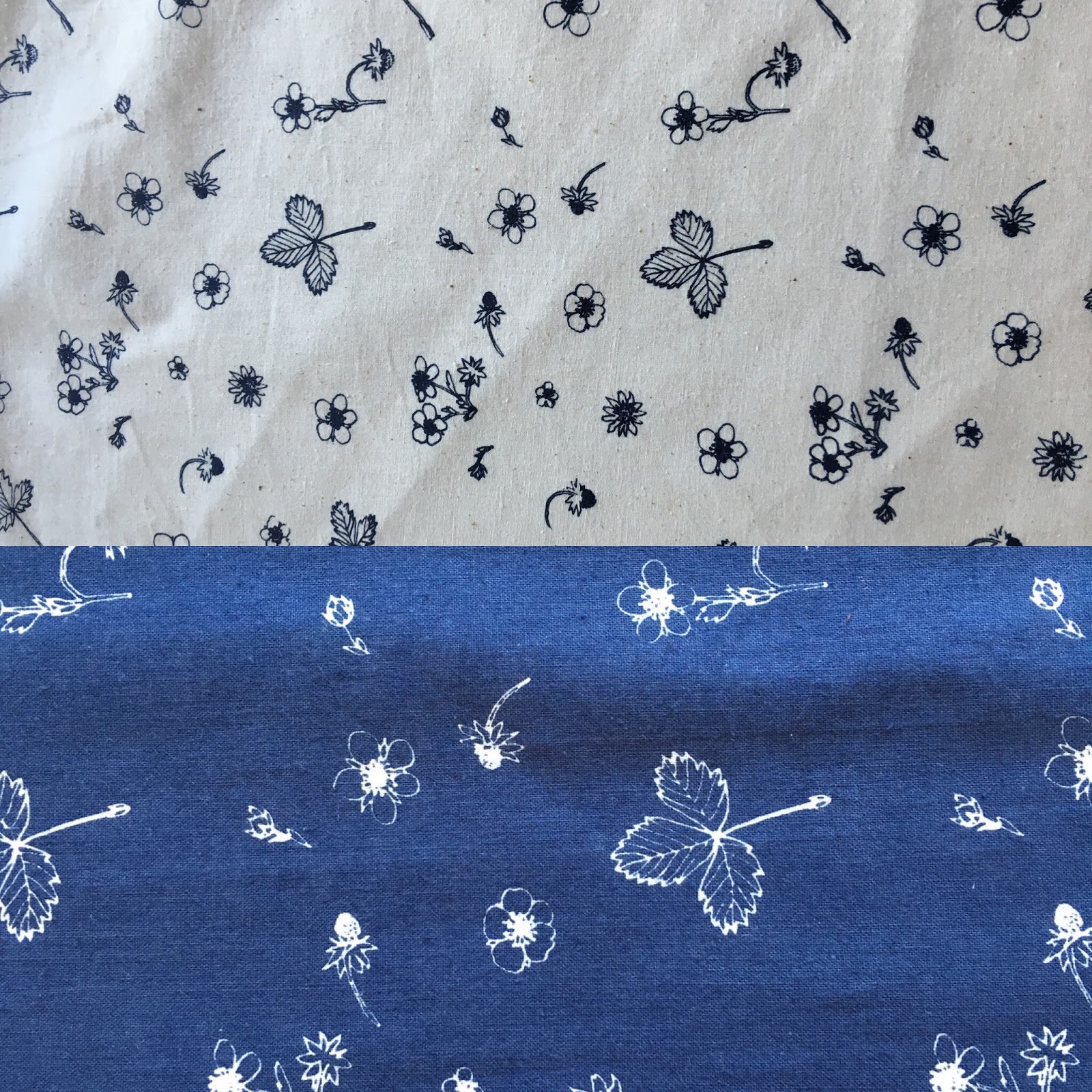
I only had a 70cm long piece of this blue fabric, and 90cms of the contrasting cream, so I knew I wanted to use them in the most efficient way possible. I ended up making this two-piece ensemble, with only a handful of scraps left over. I was also able to use up a few mother of pearl buttons from my button stash to add an interesting fastening detail.


Break the rules
So, did I go three months without buying anything new? Almost. I’d like to think that my one new purchase was for a good reason, though. Sophie, the owner of Gung Ho Design, also runs monthly beach clean-ups on the Thames foreshore. Seeing an ethical brand owner really living her values made me want to support what she is doing, so I treated myself to a pair of Gung Ho earrings (as well as going to the beach clean-up, obviously)!


Knowing what we already have in our wardrobes, and thinking about how we can transform average clothes into clothes we love, or swap clothes we don’t love for clothes we do, means we don’t have to head to the shops nearly so often. Organising or going to a clothes swap is much more sociable than filling our online shopping carts with impulse purchases, and sewing some simple alterations can make our clothes fit better, and give us a new appreciation for the people who made them! I might have to make a few new (ethical) clothing purchases as we head into autumn, but I’m also working on plenty of alteration and embellishment projects, so check back soon for more sustainable fashion inspiration!

Thursday, 26 July 2018

Finding your vintage style at Make Do And Mend

If you’re feeling intimidated by the idea of vintage shopping, or aren’t sure how to incorporate vintage into your current look, my first suggestion would be: start small. I don’t just mean with accessories rather than a full outfit (although that’s an excellent way to add a vintage vibe to modern clothes) I also mean visiting a small boutique rather than a cavernous warehouse to try out vintage shopping. 


Make Do And Mend in Pop Brixton, the box park of food stalls and bars on Brixton Station Road, London is a small but perfectly formed shop, full of fabulous vintage clothes and accessories carefully chosen by Sarah, who started Make Do and Mend in 2013. As well as sourcing unique, good-quality stock from all over Europe, Sarah also works with local brands who upcycle old clothes, if you’re after vintage with a modern twist. We put together a selection of outfits to show how you can create vintage vibes from any decade, even if you can’t get hold of the real thing. 


If you can’t find it, fake it! 

Vintage clothes from the first half of the 20th Century are becoming rarer; they are likely to be expensive or very fragile, and probably not the most practical choice for every day. It’s really easy to create a mid-century look with clothes from later decades though: some 80s styles drew heavily from the 40s and 50s, and this pleated skirt could easily be worn with a t-shirt for a more modern look. 


A flower-print tea dress will always give you a 40s vibe, and this 70s jacket has the boxy shoulders and nipped-in waist that were a feature of 40s styling. Bring either of these pieces up-to-date by pairing with some denim or chunky jewellery. 


Select your silhouette

Although most decades are associated with an iconic look, that was rarely the only look around, and every decade was responsible for multiple trends: the 60s went from mini to maxi dresses, and from monochrome to psychedelia, in the space of a couple of years. Most decades will have something that will appeal to your personal aesthetic, but it’s always worth experimenting with something new. 


Although most decades’ signature looks focus on a specific idealised body type, most people (then, as now) didn’t have that body type and still had to buy clothes! Vintage shopping is a good opportunity to try out colours, fabrics or clothing proportions that have nothing to do with trends but are the style you’ve been craving and can’t find on the high street.


Be Bold

One of my favourite kinds of vintage find is a statement dress: something with a bold print that is instantly A Look even if I forget to put on any accessories. This is also a great first step into vintage shopping; with a statement dress there’s no worry about what to wear with it, and classic jewellery and accessories won’t detract from the impact.


But it’s also worth experimenting with something a little more unusual. Trousers often go unloved in vintage shops, but with fitted wide leg trousers coming back into fashion, now might be the time to try on those fabulous 70s flares. Trouser hems are an easy thing to alter (see my tutorial here), so the only “trick” is to find the proportion that is right for your body type. 


Create Self-Confidence

Most of us understand the power that the right outfit has to make us feel good about ourselves. Wearing clothes we love can make us feel more confident, and some well-chosen vintage can help you stand out from the crowd. Sometimes dressing the part even if we don’t feel it can give us the boost we need to make the right impression.


 I love the way the exaggerated proportions of 80s womenswear encourage the wearer to take up space, visually and physically, at work and at play. Any of these separates could be toned down by pairing them with modern neutrals, but sometimes part of the fun can be to go all in with a bold vintage look. 


Channel your Inner Child

Need reminding that you’re not as young as you once were (if your joints aren’t already doing it for you)? The clothes you wore as a teenager are back in fashion, although now they are “vintage”. At first my instinct was to shriek “why did I wear that?” as a rhetorical question, but as I dressed up as my teenage self I started to think about this question seriously. 


Buying clothes with friends rather than under parental supervision, sometimes with money I had earned myself from my Saturday job, was a key part of exploring who I was, and who I wanted to be, or could be. Clothing might be an ephemeral way of pushing boundaries, but it’s worth remembering that it’s an option that’s always available to us. With so much “advice” telling us what we shouldn’t wear, vintage shopping is a great way of discovering what we want to wear. If we buy clothes we love, we’re more likely to keep wearing them and take care of them, reducing our negative impact on the environment by keeping clothes out of landfill.  


All the clothes, jewellery and accessories I’m wearing in these photos are available at Make Do And Mend (except my shoes, which are from Po-Zu). Make Do And Mend is open 12-7 Sunday-Wednesday and 12-9 Thursday-Saturday. They are also involved with the Brixton Vintage Kilo Sale, in case your first taste of vintage shopping gives you a big appetite! Keep up-to-date with events and sales over on the Make Do And Mend Instagram. Pop on over to Pop Brixton and discover your vintage style!