Showing posts with label refashioning. Show all posts

Tuesday, 21 April 2020

Fashion Revolution Week 2020: get your fashion fix!

Refashioning, upcycling and mending have been some of my favourite topics to blog about, and if you look back through my blog you’ll find a variety of projects, from adding pockets to turning skirts into trousers. I love that Fashion Revolution’s campaigns also cover our responsibility as part of the fashion supply chain - as wearers of clothes, and the people who determine a garment’s fate once it’s been bought, the way we care for our clothes can reduce our environmental impact. Being able to mend clothes, or refashion them if they no longer suit our body shape or personal style, reduces the amount of new clothes we buy and keeps wearable but well-loved clothes out of landfill.


While more and more people are embracing this new mending revolution, there are sadly still plenty of people who think of sewing as old-fashioned, and refashioning as unfashionable. To try to dispel some preconceptions I’ve selected four examples to showcase for Fashion Revolution Week, to show that there are minimalist, flamboyant, practical and even silly ways to get your fashion fix on.


Visible Mending

Darning is a traditional skill but it’s having a bit of a moment right now, thanks to visible mending artists like Celia Pym and Tom of Holland. This old cardigan was one of my first visible mending projects, thanks to its popularity with clothes moths, and I’ve recently had to mend another couple of holes in the sleeve. I love the contrast of the bright yellow darning wool with the dark stripes of the knit, and I couldn’t resist embroidering antennae and legs, adding another couple of beetles to the swarm on this cardi! 

Upcycling

My sister grabbed this silk blouse as an upcycling project for me from a sample sale - the sleeves were unhemmed and were very tight and ill-fitting but the rest of the blouse looked quite nice. I removed the sleeves, then used some fabric left over from a dress I’d made for a friend to create some frills in a contrast colour. The blouse still looks neat and smart, but the pop of colour makes it unique and eye catching.


Refashioning

I’ve featured this blouse on the blog before, but I think it’s a good example of a “minimalist” refashion/upcycle and also illustrates an important point about the relationship between our bodies and our clothes. This blouse used to be a dress, but over the years since I bought it I’ve put on some weight on my hips and the bottom half of the dress had become uncomfortably tight. The top half still fitted well though, so I simply chopped it off at the waist and hemmed it, creating a boxy blouse that looks great with trousers or a skirt. Refashioning or upcycling doesn’t have to be about adding new features, it can be about taking something away, particularly if you prefer a minimalist style. I think it’s also important to remember that we should be altering our clothes to fit our bodies, not altering our bodies to fit our clothes. 


Invisible Mending


This jumpsuit is an example of invisible mending, which is something I get asked about when clothes have ripped around the crotch! I got the jumpsuit at a clothes swap, and when I tried it on at home I noticed there was a hole at the bottom of the zip where the fabric had frayed away - right on the butt. The key to invisible mending is to patch the hole from the back, then catch down any frayed fabric or loose threads with lots and lots of tiny stitches. It’s fiddly, and you’ll probably discover you need glasses, but it’s worth it when you get a smart garment looking as good as new. 


I’ve loved learning how to sew and constantly improving over the years, and I also love teaching people to sew in a creative, relaxed way - no one is going to want to learn something if it feels like a chore. The key to getting good at sewing is practice - try out ideas on old clothes that are heading for textile recycling anyway, or master a technique on a piece of scrap fabric first before making the real thing. Your projects can be flamboyant or practical, depending on your personal style and clothing requirements. I find sewing calming and meditative, especially when my anxious brain wants me to keep endlessly scrolling on my phone. If you feel like you might need a new lockdown hobby, grab some fabric, thread and a sewing needle and see where your imagination might take you.

Thursday, 20 September 2018

My Slow Fashion Summer: no new clothes for three months!

I know some readers are probably rolling their eyes at the title for this week’s blog post. I know I am lucky to be able to afford new clothes fairly regularly, and that many people have to prioritise other expenses when they really do need new clothes for themselves or their families.


Collaction's Slow Fashion Summer isn’t about shaming people for their shopping habits, it’s about challenging the way the fashion industry tries to drive consumer demand. With high street fashion chains launching new stock in store every couple of weeks, we are encouraged to become dissatisfied with our clothes faster than ever before. The average item of clothing is only worn four times before being discarded, so refusing to buy into this for a few months is a good way to reassess the way we shop.

The rules of the Slow Fashion Challenge only stipulated no new clothes, so here are all the alternatives I found to ensure I could still have a fabulous summer wardrobe!


Wear clothes that are waiting to be worn
Being a vintage fashion fan means snapping up those bargains whenever you see them, so I bought summer dresses in the autumn and winter, then had to wait for the appropriate weather to wear them! The wait was worth it though; I’ve had so much enjoyment (and some lovely compliments!) from wearing these fab frocks! You can check out some of my other vintage finds here.


Clothes swaps
Even when we shop sensibly, we still end up with clothes that we don’t really wear any more. As well as rummaging through my sister’s cast-offs and picking out a few gems, I also went to Walk In Wardrobe and exchanged some of my old clothes for some lovely new ones! Stylist Daisy Schubert has come up with an innovative “rule” for her swap shop: you’re not limited to a number of items, you just have to try everything on to make sure you actually like it! That way everyone ends up with clothes they will actually wear, rather than more items destined for the back of the wardrobe.


Charity shops
Giving to a good cause and stopping secondhand clothes from ending up in landfill means that buying clothes from charity shops is very much still allowed under the rules of the Slow Fashion Challenge! In the spirit of the challenge I didn’t indulge in a lot of impulse buys, but I did treat myself to this straw hat to keep myself cool in the heatwave!

Rent a one-off outfit
For anyone who is expected to have an ever-rotating wardrobe of fabulous clothes for events, clothing hire service Wear the Walk has you covered! I wrote about my experience hiring clothes from them in this post.


Transform the clothes you are reluctant to wear
I had picked up a silk playsuit at a clothes swap years ago because I loved the style, but I never really felt that the peach colour suited me. An hour with a bucket, a pair of thick rubber gloves and a sachet of hand dye, I had a playsuit that was much more my style!


Use up your fabric stash
If you make your own clothes, it can be tempting to fall into the trap of impulse-buying new fabric for projects before you use up the fabric that’s already in your stash. And if, like me, you love buying vintage fabrics, special finds can end up cluttering up your cupboards for months while you wait for inspiration to strike!

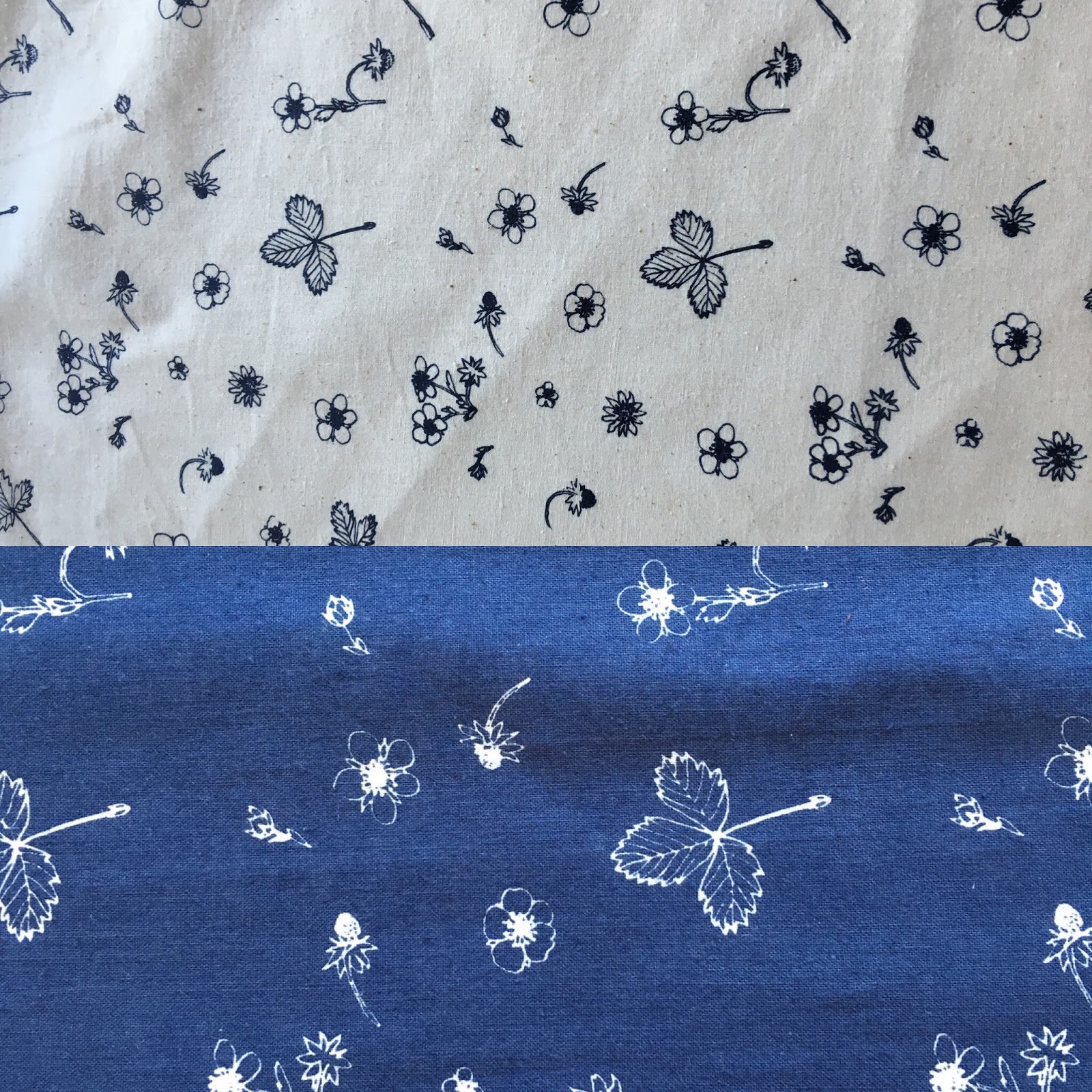
I only had a 70cm long piece of this blue fabric, and 90cms of the contrasting cream, so I knew I wanted to use them in the most efficient way possible. I ended up making this two-piece ensemble, with only a handful of scraps left over. I was also able to use up a few mother of pearl buttons from my button stash to add an interesting fastening detail.


Break the rules
So, did I go three months without buying anything new? Almost. I’d like to think that my one new purchase was for a good reason, though. Sophie, the owner of Gung Ho Design, also runs monthly beach clean-ups on the Thames foreshore. Seeing an ethical brand owner really living her values made me want to support what she is doing, so I treated myself to a pair of Gung Ho earrings (as well as going to the beach clean-up, obviously)!


Knowing what we already have in our wardrobes, and thinking about how we can transform average clothes into clothes we love, or swap clothes we don’t love for clothes we do, means we don’t have to head to the shops nearly so often. Organising or going to a clothes swap is much more sociable than filling our online shopping carts with impulse purchases, and sewing some simple alterations can make our clothes fit better, and give us a new appreciation for the people who made them! I might have to make a few new (ethical) clothing purchases as we head into autumn, but I’m also working on plenty of alteration and embellishment projects, so check back soon for more sustainable fashion inspiration!

Thursday, 24 May 2018

Fixing fast fashion: adding pockets to your clothes

“I like your dress”
“Thanks! IT HAS POCKETS!”


If you’ve spent any time on the internet in the last few years, you’ll probably be familiar with this meme. If you’re a person who wears dresses, chances are you will have said exactly the same thing when someone compliments your outfit.


Everyone seems to love pockets, but fast fashion cost-cutting means that they are often left out of dresses, skirts and even some trousers designed for women. Visiting the Balenciaga exhibition at the V&A last year, I was struck by how many of the couture evening coats and capes had pockets; private clients must have been requesting pockets for occasionwear as well as more practical everyday clothes. It is frustrating that at a time when we have devices that help us to live our lives on the go, we have nowhere to store these devices about our persons. My smartphone is at the small end of the scale, and I wouldn’t trust it to stay put in some trouser pockets. Rachel Charlton-Dailey points out the disparity between the sensible-sized pockets in clothing designed for men, and the frequently useless or fake pockets in womenswear in her article for the Nopebook,  Pockets Are A Tool Of The Patriarchy.


One solution is to add pockets to our own clothes, the easiest of course being a patch pocket, a square or rectangle stitched onto the garment around three sides. If you prefer a pocket that is less of a design feature, it’s easier than you might think to add a pocket into the side seam of any garment that isn’t skin tight. I’ve chosen this skirt to demonstrate on as I was going to shorten it to mid-calf anyway, so I’ll have enough fabric to make my pocket bags from the piece I cut off the hem. If you want to add pockets to a garment that you aren’t planning to alter, buying a piece of fabric about 30-50cm wide in a similar material to your garment should give you enough to make two pockets. 


To work out the size of my pocket bag I used my hand as a guideline; allowing at least 3-4cms all the way round means I have a decent sized pocket and enough seam allowance. 


I cut out two pairs of pockets (4 separate fabric pieces) and overlocked them together around the bottom and ‘inside’ edge. It’s easy to do this with a regular sewing machine too: sew a line 1cm away from the edge of the fabric, then use a zig-zag stitch on the edge to stop the fabric from fraying.


I am extending my pocket bag up into the waistband to anchor it more securely, but you can cut your pockets without this if you are short on fabric. If you’re doing this, your fabric pieces will look more like a pair of mittens without thumbs, so you can sew all the way around your pocket pieces at this stage, just leaving the opening for your hand.


You will need to unpick a section of the side seam of your garment to insert the pocket; it’s easiest to start at least 3-4cm below the waistband. I unpicked a section that was 15cm long, then backstitched the ends of the original seam so that they wouldn’t unravel any more. I then marked a 15 cm gap on the open edge of my pocket bag and finished off the edge above and below these marks, leaving a 1cm seam allowance around the open edge of my pocket bag.


To attach the pocket, pin the seam line on your garment to the seam line on your pocket bag with the right sides facing each other. Machine stitch all around the opening of the pocket, then finish off the raw edge with a zig-zag stitch.


You can then press the edges of the pocket so they lie flat and don’t show against the edge of the garment. If you are attaching the top of the pocket bag to the waistband, you can do this by hand if you don’t want to open the waistband up. Otherwise, you can pin the top edge of the pocket bag into place and sew from the right side of the garment so your stitch line will be as unobtrusive as possible.


And... you’re done! Sling your phone, keys or bus pass into your new pockets for a low maintenance life on the go. Now, when someone compliments you on your outfit, you’ll be able to say “Thanks! It has pockets!”


Thursday, 26 April 2018

How to become a Fashion Revolutionary

The fashion industry is vast, complex and opaque. Even if you are concerned about how the clothes you choose can impact people and the planet, it can be daunting or overwhelming to know where to start to equip yourself with the knowledge that will help you make informed choices. Fashion Revolution Week provides an opportunity to join forces with one another and collectively push for change, but if you don’t feel confident about asking tough questions, here’s how you can quietly start your own revolution using just the contents of your wardrobe.


See fast fashion garments as works in progress rather than the finished article
I am a professional dressmaker, and even if I have an exhaustive list of measurements and a mannequin padded to a client’s shape, I’ll still have to make adjustments to the garment I am creating during fittings. Not only is every body unique, but everyone has their own unique feelings about their body, and which parts of it they would rather reveal or conceal. 


One of the things we sacrifice when we choose cheap fashion is fit. A generic sized garment probably won’t fit anyone perfectly, but we can be reluctant to spend money on alterations when they might cost more than the clothes themselves. If you buy enough cheap pairs of trousers, one of them is bound to fit, right? As anyone who has ever reached the end of their tether in a high street fitting room (or at home surrounded by online purchases that all need returning) will know, this doesn’t often work out well. Instead of buying lots of cheap clothes that don’t fit, why not spend some of that money on making sure your clothes fit perfectly? Sewing courses (like the ones run by Sewing Bee producer The Thrifty Stitcher) can teach novice stitchers the basics in a few hours. Alternatively, if sewing isn’t your thing, support a local business by paying a tailor to perfect your wardrobe.


Avoid obsolescence 
The fast fashion cycle relies on ever-changing trends to persuade people that they constantly need to buy new clothes. Magazines that rely on brand advertising will praise a style in their “must have” column one month, only to deride it as “so last season” the next. My dad has an interesting theory about the recent craze for pre-distressed denim: he reckons it is a way to speed up the lifespan of a garment, requiring us to buy more products. Fabric that has been worn down with sandpaper or sprayed with chemicals isn’t going to last as long as pristine new fabric. I think it’s part of the fun of owning clothes to naturally age them by wearing them, and refashioning or mending them as circumstances or personal style dictate. By developing this relationship with my clothes, I see them as valuable belongings rather than disposable items. 


Break the rules
A lot of us end up with clothes we don’t really wear because we feel obliged to buy them, especially for parties, weddings or other formal occasions. If you love having something new to wear that’s fine, but if your wardrobe is filling up with clothes that you have only worn once, you might need to re-think your approach. You can hire contemporary and vintage clothes for a special occasion; a designer label suddenly becomes more affordable when you only want the garment for a weekend. You could also search charity shops in a well-heeled area for other only-worn-once occasion wear.


I’m not a big fan of dress codes, especially when they are designed to discriminate or make people uncomfortable. I have an aversion to high heels but I’ll wear fancy flats with a posh frock, and I think this is an acceptable compromise! It just isn’t worth buying clothes because you think you ought to; your own comfort will give you more confidence than clothes you’ve just bought to conform. I feel more comfortable being overdressed than underdressed, my main concession to practicality being my footwear! Of course, I wouldn’t wear a vintage evening gown to hike up a mountain, but I like wearing a skirt if I’m just going for a stroll. Finding a personal style that means you’re always comfortable is an important step towards buying less clothes that you won’t end up wearing.


Relax and enjoy fashion
I know this is much easier for me to say than for many people to do. Factor in body-shaming and outfit-policing in the media, and “what not to wear” lists, and a purchase that you were looking forward to wearing ends up languishing at the back of the wardrobe for fear it will invite unwanted attention or criticism. I think we all could start to treat each other with more kindness and compassion in general, but we could all examine the snap judgements we make about other people’s outfits. Is it really any of our business if they dress in a way we wouldn’t want to ourselves? 

In its ideal form, fashion is meant to be a form of self-expression, to let the world know who we are, or who we aspire to be. This isn’t possible if we are being sold cheap, ill-fitting garments that don’t make us feel good about ourselves. It’s possible to create radical change if enough of us can break free from this cycle of dissatisfaction and obsolescence. 


Fashion Revolution offers template letters to send to brands and policy makers if you want to start asking Who Made My Clothes but don’t feel that you know enough about the subject, or the right questions to ask. Their website is full of helpful information, including access to their online zines, as well as their Transparency index. This provides information about well-known fashion brands and how much they disclose about their supply chain, so you can make well-informed decisions about where to shop.


I would love to get to a point where I can just enjoy fashion in an uncomplicated way, without having to research every purchase or avoid a lot of shops altogether. We have a long way to go before that happens, but fashion is a creative industry and I am hopeful that enough talented and dedicated people are working hard to make a change. Until that happens, we can all be fashion revolutionaries by rejecting the negative aspects of the industry, supporting people who are making positive changes, and demanding positive changes from the multi-million-pound brands that have the resources to be at the forefront of change rather than lagging behind.

Sunday, 22 April 2018

My refashioning "haulternative" for Fashion Revolution Week

It’s Fashion Revolution Week this week (23rd-29th April) so it’s time for my refashioning “haulternative”: find out how my upcycling projects turned out! (Check out this blog post for "before" photos and the first part of my "haulternative" video)


I was really shocked by the amount of clothes we’re wasting here in the UK: the average woman has £285 worth of unworn clothes in her wardrobe, and considering the price of fast fashion, that’s a lot of outfits we are missing out on! As a country, we’re hoarding £30 billion worth of unworn clothes, and the amount of clothes we discard every year could fill Wembley Stadium!


This seems like a horrifying waste of the earth’s resources, the hard work of the people who make our clothes, not to mention our own money. Writing this blog has made me very aware of the contents of my wardrobe, but I still buy vintage bargains that aren’t quite the perfect fit, or take hand-me-downs or swaps that go straight into a “to fix” pile. Fashion Revolution Week isn’t about horrifying statistics, it’s about making changes; calling for companies to make their supply chains more ethical and transparent, and also working out what changes we can make to our wardrobes to make sure we wear and love all our clothes. I’ve made some quick and easy alterations that have transformed three maxi dresses that weren’t really wearable into versatile clothes that I’ll want to wear all the time.


As I unpicked the grey dress at the waistband, I realised the skirt and top had been made separately and then overlocked together at the waist. The overlocker (a four-thread sewing machine with a blade to trim the seam allowance off) had cut a few holes in the waistband, but it was salvageable. I hand-stitched the waistband back together (if you keep your stitches small but not too tight, it’s not too difficult to hand-sew a stretch fabric) then inserted a band of elastic (use a safety pin attached to one end to push the elastic through the channel) and machined the ends together securely.


Removed from the skirt, the wrap-over top seemed much too short, so I added a band of black jersey from my fabric stash, with narrower ties at each end. I machined a buttonhole onto the band that was wide enough for one of the ties to thread through, so the top would wrap around snugly and neatly.


The red dress itself was easy to alter; I just unpicked the shoulder straps at the front, pinned the new shoulder draping on my dressmaker’s stand until I was happy with the result, then stitched the shoulder straps back on.


The lining was another story; I put it on the stand to see how much fabric I had to play with; I pinned away excess fabric in the back and side seams, and gave the slip a nice neckline. I used the excess fabric from the side seams to make straps, and I was able to let down excess fabric in the hem so the slip is almost as long as the dress. A top tip that I used for both the slip and the grey skirt: use a synthetic thread if possible when you are sewing stretch fabrics; cotton thread is stronger but doesn’t have the “give” that will allow the thread to stretch with the garment.


I decided I wanted to keep the blue print dress a bit longer in the skirt than I had originally planned; this meant that I had less fabric to work with so I had to re-think my original design idea, which was to make a little bolero or shrug to go with the dress. Instead of making a separate garment, I cut the leftover fabric in half along the side seams, hemmed each edge, and used the pieces to make a very simple sleeve that also functions as a shoulder strap. I put the dress on the stand to work out a pleating pattern over the shoulders so the sleeves would drape down nicely over my arms, then machined the pleats into place.


These aren’t the most groundbreaking or elaborate refashioning projects, but I wanted to do something straightforward; showing that altering your own clothes doesn’t have to be complicated or time-consuming. I didn’t draft any patterns, I just used what fabric I had, or pinned a new shape into place. Don’t be afraid of trying out an upcycling or refashioning project with an unloved item of clothing from your wardrobe. The worst-case scenario? You still won’t wear it, but you will have discovered new sewing skills. The best-case scenario will see you reunited with a unique piece of clothing that is truly “you”.


Here’s my haulternative video; please have a look, and support Fashion Revolution Week by taking to social media to ask brands “who made my clothes?” I’ll have some extra content up on my Instagram during the week, and back on the blog on Friday, so check back soon.