Showing posts with label clothes swap. Show all posts

Thursday, 27 September 2018

Style Yourself Sustainable: swapping, shopping, sewing and more...

Trying to make changes to our wardrobes can feel overwhelming, and ethical and sustainable brands are at a disadvantage when fast fashion has such an overwhelming presence both online and on the high street. But for those of us who are looking for something a little more personal, both in terms of style and shopping experience, a community of likeminded people are working together to make this happen.


Rachel Kan, founder of Style Yourself Sustainable, put together a great event at Hackney Showroom,  showcasing many different but stylish options for a more mindful wardrobe. The day included talks, sewing workshops, vintage and sustainable brands, and a swap shop, demonstrating that there are a wide range of solutions to the current problems with the fashion industry.

Sustainable brands were represented by Komodo and WYNAD clothing, and Rob from WYNAD, along with Lizzie from We Resonate, Alicia from Bourgeois Boheme and Kate from Fabrikk took to the stage to talk about the stories (and struggles) behind their businesses. 


Rob spoke honestly about the difficulty of keeping track of the supply chain. He worked with NGOs like SAVE, who were able to direct him to Jacob’s Well, a garment factory which trains and employs vulnerable women and pays them a living wage. He also had to work hard to find a dye house that was environmentally friendly. WYNAD clothing are pioneering the use of Lotus silk, made from the stems of lotus flowers. It is soft and wrinkle-free, and an ideal cruelty-free alternative to traditional silk.


Lizzie from We Resonate makes her one-off dresses from vintage silk scarves. She recognised the importance of employing a good seamstress who could work with luxury fabrics, and wanted her brand of sustainable luxury to be truly handmade and unique.

Lizzie and Kate from Fabrikk both talked about the high price points of their products relative to high street fashion. Huge economies of scale combined with the use of sweatshops has made the price of clothing and accessories artificially low. Paying a seamstress a London wage for her expertise means that We Resonate dresses are a good reflection of what good quality, unique clothes actually cost to make.


Fabrikk make bags and accessories from cork, combining sustainable vegan materials with wearable tech to create handbags with interiors lit by LEDs; perfect for finding your wallet or keys in the dark! Like Bourgeois Boheme, who make smart and stylish vegan shoes, Kate wanted to find a leather alternative that wasn’t plastic-based, and had its own set of aesthetically pleasing qualities rather than simply being a substitute for leather.

Alicia from Bourgeois Boheme talked about her interest in working with innovative new materials: while the leather industry is a major source of pollution (not to mention cruelty to animals) simply replacing leather with plastic poses its own set of sustainability problems. Bourgeois Boheme use materials like Pinatex, which is made from pineapple fibre, but working with new materials takes a lot of development and time, and many new sustainable materials are not at a stage in manufacture where they can be scaled quickly.


While I love bold and striking sustainable innovations, I realise that statement dressing might not be everyone’s cup of tea. We also need to make sure the everyday clothes in our lives are sustainable, as these are the things that are going to get worn (and replaced) most often. Komodo make eco-friendly wardrobe staples: soft organic cotton t-shirts and jumpers, and colourful bamboo socks, as well as stocking jeans from brands like MUD and Monkee Genes. Seeing such a range of ethical brands was really encouraging; showing that sustainable fashion isn’t just one style but is available for everyone is really important.


Of course, another excellent option is to buy secondhand, and Style Yourself Sustainable had a great selection of vintage sellers, who have each curated a beautiful selection of desirable vintage clothes. Lucinda Vintage has antique theatre costumes amongst her sparkly stock, Honeykins Vintage has a kaleidoscope of eye-catching prints and colours, and Retold Vintage has a very contemporary looking collection of classic pieces. There was also statement jewellery by Twisted Vintage, made from upcycled pieces of broken vintage jewellery cleverly remade into something unique.


Manifesto Woman had a great selection of good quality secondhand clothing, including designer labels at very reasonable prices. Style Yourself Sustainable also had a swap shop rail; I took along a few unwanted items and came away with a beaded vintage jacket! It’ll be making an appearance on Instagram soon, so keep an eye out for it!


Sewing is an important skill when it comes to maintaining a sustainable wardrobe, and combined with some creativity we can use these skills to transform our clothes. Kate from Time to Sew taught a workshop where participants made a zero-waste skirt in an hour, showing that sewing doesn’t have to be time-consuming or complicated. The Style Yourself team taught a bag-making workshop; a good-quality tote bag is a must-have for a sustainable lifestyle, and a quick sewing project like this can improve confidence if you’re new to using a sewing machine.


I also taught a short workshop, showing some easy options for mending clothes. I brought along some samples from previous blog posts on hemming, and invisible mending, as well as demonstrating a basic darning technique and handsewing stitches. I wanted to show that sewing is accessible to anyone who can get their hands on a needle and thread, and an expensive sewing machine or fancy gadgets aren’t essential when it comes to repairing your clothes.


Another important aspect of a sustainable wardrobe is, y’know, actually liking your clothes and wearing them! Alex from Sewrendipity, who describes herself as a “sustainable living striver” talked about her rules for owning a more mindful wardrobe. Alex advises shoppers to think carefully about what we add to our wardrobes, and to look for garments that will be with us for the long haul. She is a woman after my own heart, emphasising the importance of knowing what’s in your wardrobe and keeping track of what you wear regularly and why to inform future purchases. Alex also makes most of her own clothes, and talked about the way it had helped her to see her wardrobe differently; she knows how long clothes take to make, and the effort that goes into them.


Roberta Lee from the Ethical Brand Directory also appeared via video to dispense some holistic style advice. Wearing our values should be a key factor in deciding what to wear; as well as reflecting our personalities and aspirations, our clothes should reflect the positive change we want to make in the world. Roberta’s work as a stylist, coach and sustainable fashion advocate are closely linked, and her stance on fashion resonates strongly with me: enjoying clothes and taking care of your appearance isn’t shallow, but it needs to align with your values to be truly empowering.


The weather took a turn for the worse during the course of the day, with grey skies and pouring rain reminding me that I didn’t have a stylish waterproof coat. As if by magic, a gold rain mac caught my eye at Retold Vintage. I had planned to buy something in a neutral colour, but when I put the coat on in front of the mirror I couldn’t help but giggle with glee - the thought of putting on an actual ray of sunshine on a dreary morning really appealed. I also treated myself to a pair of earrings from We Are Africa so I can sparkle even on the gloomiest of autumn days! To me, this is what sustainable style is all about: clothes that bring you joy, that you can’t wait to wear over and over again.

Thursday, 20 September 2018

My Slow Fashion Summer: no new clothes for three months!

I know some readers are probably rolling their eyes at the title for this week’s blog post. I know I am lucky to be able to afford new clothes fairly regularly, and that many people have to prioritise other expenses when they really do need new clothes for themselves or their families.


Collaction's Slow Fashion Summer isn’t about shaming people for their shopping habits, it’s about challenging the way the fashion industry tries to drive consumer demand. With high street fashion chains launching new stock in store every couple of weeks, we are encouraged to become dissatisfied with our clothes faster than ever before. The average item of clothing is only worn four times before being discarded, so refusing to buy into this for a few months is a good way to reassess the way we shop.

The rules of the Slow Fashion Challenge only stipulated no new clothes, so here are all the alternatives I found to ensure I could still have a fabulous summer wardrobe!


Wear clothes that are waiting to be worn
Being a vintage fashion fan means snapping up those bargains whenever you see them, so I bought summer dresses in the autumn and winter, then had to wait for the appropriate weather to wear them! The wait was worth it though; I’ve had so much enjoyment (and some lovely compliments!) from wearing these fab frocks! You can check out some of my other vintage finds here.


Clothes swaps
Even when we shop sensibly, we still end up with clothes that we don’t really wear any more. As well as rummaging through my sister’s cast-offs and picking out a few gems, I also went to Walk In Wardrobe and exchanged some of my old clothes for some lovely new ones! Stylist Daisy Schubert has come up with an innovative “rule” for her swap shop: you’re not limited to a number of items, you just have to try everything on to make sure you actually like it! That way everyone ends up with clothes they will actually wear, rather than more items destined for the back of the wardrobe.


Charity shops
Giving to a good cause and stopping secondhand clothes from ending up in landfill means that buying clothes from charity shops is very much still allowed under the rules of the Slow Fashion Challenge! In the spirit of the challenge I didn’t indulge in a lot of impulse buys, but I did treat myself to this straw hat to keep myself cool in the heatwave!

Rent a one-off outfit
For anyone who is expected to have an ever-rotating wardrobe of fabulous clothes for events, clothing hire service Wear the Walk has you covered! I wrote about my experience hiring clothes from them in this post.


Transform the clothes you are reluctant to wear
I had picked up a silk playsuit at a clothes swap years ago because I loved the style, but I never really felt that the peach colour suited me. An hour with a bucket, a pair of thick rubber gloves and a sachet of hand dye, I had a playsuit that was much more my style!


Use up your fabric stash
If you make your own clothes, it can be tempting to fall into the trap of impulse-buying new fabric for projects before you use up the fabric that’s already in your stash. And if, like me, you love buying vintage fabrics, special finds can end up cluttering up your cupboards for months while you wait for inspiration to strike!

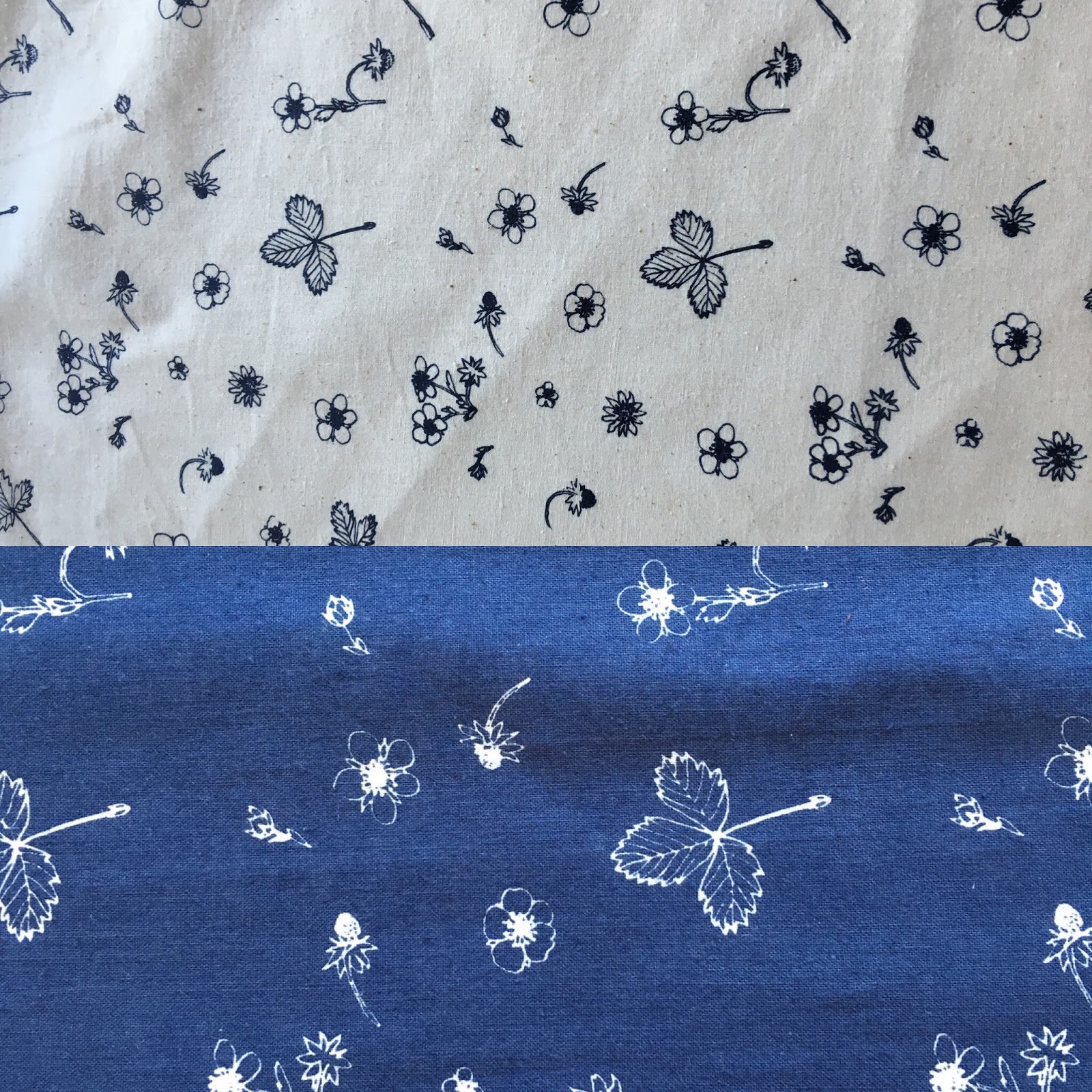
I only had a 70cm long piece of this blue fabric, and 90cms of the contrasting cream, so I knew I wanted to use them in the most efficient way possible. I ended up making this two-piece ensemble, with only a handful of scraps left over. I was also able to use up a few mother of pearl buttons from my button stash to add an interesting fastening detail.


Break the rules
So, did I go three months without buying anything new? Almost. I’d like to think that my one new purchase was for a good reason, though. Sophie, the owner of Gung Ho Design, also runs monthly beach clean-ups on the Thames foreshore. Seeing an ethical brand owner really living her values made me want to support what she is doing, so I treated myself to a pair of Gung Ho earrings (as well as going to the beach clean-up, obviously)!


Knowing what we already have in our wardrobes, and thinking about how we can transform average clothes into clothes we love, or swap clothes we don’t love for clothes we do, means we don’t have to head to the shops nearly so often. Organising or going to a clothes swap is much more sociable than filling our online shopping carts with impulse purchases, and sewing some simple alterations can make our clothes fit better, and give us a new appreciation for the people who made them! I might have to make a few new (ethical) clothing purchases as we head into autumn, but I’m also working on plenty of alteration and embellishment projects, so check back soon for more sustainable fashion inspiration!

Thursday, 16 August 2018

Apps for sustainable clothes shopping

Since I started this blog 18 months ago, I made a decision not to buy any new high street clothes. I’ve really enjoyed discovering and buying from ethical brands, but I’ve had to budget carefully to afford the new clothes I’ve really wanted, and I have the advantage of already owning a lot of clothes. I still buy secondhand and vintage clothes, and I try to recycle my old clothes as efficiently as possible. I enjoy researching brands and searching for my perfect outfit, but plenty of people don’t have the time or the inclination to put this much effort into buying clothes.

Fortunately there are now a number of apps that take the work out of shopping ethically, discovering great secondhand clothes and even finding out where to recycle old clothes and textiles.


High Street Shopping
I’m lucky to have a bit of disposable income for clothes shopping; I know this has to come a lot further down a list of priorities for many people. Low wages in this country leave many people reliant on fast fashion’s cost-cutting to make clothing “affordable”. The inequalities in our current system mean that the CEO of a fashion brand can earn the lifetime’s wages of a Bangladeshi garment worker in a matter of days. There is a good argument for not simply boycotting these big brands though; as the biggest overproducers and polluters, we won’t see a huge change in the negative aspects of the fashion industry unless these brands are encouraged to clean up their act. If brands see their competitors being rewarded with higher sales due to increased transparency or better sustainability initiatives, they will follow suit.

So who do we choose to give our hard-earned money to? These two apps should be able to help you out.


Not My Style
Wondering how transparent your favourite brands are when it comes to their garment workers? Rather than trawling every brand’s website for information, check Not My Style, which rates brands on the information they choose to share about the men and women who make their clothes, and whether they are trying to improve pay and working conditions. Their ratings are a simple traffic-light system of stop, think and shop, and you can check a map of your area to see how the shops near you shape up.


Good On You
Originally based in Australia, Good On You also rates brands by how transparent they are, although as well as garment workers they also consider the brand’s environmental impact and whether the brand uses materials that require the killing of animals. Brands are rated from 1 (we avoid) to 5 (great), with 3 - it’s a start - encouraging brands to keep doing better. You can also adjust your preferences on the site to put more emphasis on the issues that are closest to your heart.


Secondhand Shopping
If you’re after some new-to-you clothes and have some lightly-worn clothes that might be suitable for selling or swapping, these two sites could help you out:


Vinted
Buy, sell or swap clothes with fellow fashionistas on this app. The more information you add about your clothes, the quicker they will find a potential buyer. I’ve swapped clothes that weren’t really me for a fun selection of frivolous new things, which I’ve ended up wearing much more than I expected to!


Depop
More than just a marketplace, depop sells itself as a community for style-conscious bright young things. You can follow friends, brands and influencers, find out what they are buying and selling, and set up your own shop too.


Textile Recycling
Even with the best will in the world, all of us are going to end up with clothes that are so far past their prime that the thought of giving them to a secondhand shop is downright embarrassing. Yes, you could chop them up into cleaning cloths or craft projects, but some things need to go through an industrial recycling process before they have a chance at a new lease of life. A lot of councils don’t provide textile recycling collections, so if you have no idea where to take your old clothes, you’re going to need this new app:

Impact Fashion
Providing a searchable database of charity shops and textile collection points, Impact Fashion can help you to find out where to take your old clothes, no matter what state they are in.


They are also set up to help you restyle as well as recycle; book an appointment with one of their stylists if your current wardrobe feels lacking in inspiration, and they will help you to find new outfit combinations and ways of styling your clothes that will make you fall back in love with your existing wardrobe.

I’ll have a selection of ethical marketplaces and brand directories up on my blog, which is getting a makeover, in a few weeks, so stay tuned!

Monday, 24 April 2017

How To Be A Conscious Consumer Without Opening Your Wallet


This week (24th-30th April) is Fashion Revolution Week , marking four years since the collapse of the Rana Plaza factory building in Dhaka, Bangladesh, in which 1129 workers lost their lives. When talking about conscious consumerism, there's often an emphasis on changing our buying habits, so I wanted to show that we can take meaningful action without spending any money. Here are my tips for taking a thoughtful approach towards your existing wardrobe and the fashion industry that supplies its contents.  

  • Love your clothes!: Don't just see the contents of your wardrobe as irritating pieces of fabric you have to wear in an arbitrary order to avoid getting arrested on your way to work, try to see them as the contents of a fantastic dressing up box that will help you to be whoever you need to be today, or at the very least will help you to feel comfortable in your skin.  Your clothes can be armour, a comfort blanket, a disguise, an advert. Seeing my clothes as possibility rather than dreary, disposable items encourages me to look after them: wash them carefully, mend them where possible, wage war on moths that might try to eat them and look forward to wearing them again. 


My wardrobe is an adventure, and I love it! 
  • If your clothes aren't 'you' any more, swap them! : With the best will in the world, we all have clothes that don't really fit with our current style, and might work much better in a friend's wardrobe rather than our own. At my recent clothes swap, two friends had put aside several items for one another and ended up having a swap-within-a-swap, both going away with some fabulous new outfits. I often swap clothes with my sister (I say 'swap', usually I take her unwanted clothes away and hoard them, I tend to get very attached to my clothes!) and we borrow clothes and accessories from one another too. As long as you trust one another and are careful with your clothes, this can be a great way to avoid spending money for certain occasions, or to get to wear something a bit different. I sometimes 'forget' to bring an extra jumper when I go to stay with my parents so I can borrow one of my mum's collection of amazing hand-spun, hand-knitted jumpers, made by my great aunt. I have to give it back at the end of the weekend though, the jumpers are amazing for country walking in the winter, but too warm to wear in a centrally heated house! 


Swap buddies! Your friend's unwanted clothes could be your new favourite outfit

  • Ask 'Who Made My Clothes?':  Most of us own high street clothes, made in factories overseas. I have plenty myself, and although I may make different purchasing decisions now, I’m not going to get rid of perfectly good clothes, that just generates more waste! Big brands aren't going to change the manufacture and pricing strategies that have made their CEOs so incredibly wealthy unless consumers put pressure on them, so during Fashion Revolution Week  this week we can all ask Who Made My Clothes? Either write to your go-to high street brands asking for more transparency in their supply chain and a better wage for workers, or take a selfie in your favourite piece of clothing with the label showing, then contact the brand on Twitter with the hashtag #whomademyclothes to show your support for the garment workers who made the clothes we so often take for granted. 


On Monday morning I asked H&M Who Made My Clothes on Twitter
  • Reuse and re-wear with pride: Incredibly, to me, there is still a stigma attached to wearing clothes over and over again. It's ridiculous, since we all do it with our workwear, and the comfortable clothes we wear around the house and to see friends at the weekend. Occasion wear is expensive, and shaming people (usually those who wear dresses, as suits seem to pass under the multiple-wear radar without comment) who wear the same outfit to different events is thoughtless and unkind at best, and at worst classist and deliberately exclusionary; dismissing people based on a dress code is the worst kind of old-fashioned, petty snobbery. We can all help by pushing back against this outdated attitude wherever we see it, and admiring outfits we've seen before. It's easy to change the appearance of an item of clothing by changing your hairstyle or accessories, but you don't even need to go that far if it's something you felt fabulous in the first time around. Your value as a guest should not lie in your disposable income, true friends will have invited you for your conversation, personality and because you're a pal, not a fancy prop!


Taking part in the Six Items Challenge meant I couldn't be fussy about wearing the same thing to several different events! 

  • Spread the word, gently: If you're on a low income, you're following the 'new' rules of conscious consumerism without a second thought, and always have been. Planning purchases, shopping around, carefully considering what you spend your money on and wearing your clothes until they wear out is second nature, not a revelation. Those of us who currently have enough disposable income to splash out on the odd impulse purchase can probably remember a time in the not-too-distant past when we didn't. Conscious consumerism is about making choices, and sometimes, due to any number of factors in our lives, our choices are more limited. Talking to friends and colleagues since I started this blog, I've realised that most of us are making more eco-friendly and sustainable clothing decisions without really realising it. By exchanging or offering tips and advice about repairing, reusing or recycling our clothes we can reach out to people in a non-judgemental way. I'd far rather use my energy to convey my enthusiasm for the money-saving and creative aspects of sustainable fashion, than waste time condemning other people's purchasing decisions. Fashion is a complex and messy intersection of many issues and I am aware that I have the luxury of making choices that someone else may not be able to make. 


I firmly believe that everyone can be a conscious consumer even when we might feel we have a bare minimum of purchasing power. Putting pressure on brands can have a really positive effect. More brands have released details of their supply chains to the Fashion Transparency Index, thanks to the actions that Fashion Revolution has encouraged consumers to take over the last four years. There is always more we can do to help minimise the toll fast fashion takes on the environment and the people who make our clothes, and some of them really are as simple as signing a petition or sharing a photo.