Showing posts with label zero waste. Show all posts

Thursday, 20 September 2018

My Slow Fashion Summer: no new clothes for three months!

I know some readers are probably rolling their eyes at the title for this week’s blog post. I know I am lucky to be able to afford new clothes fairly regularly, and that many people have to prioritise other expenses when they really do need new clothes for themselves or their families.


Collaction's Slow Fashion Summer isn’t about shaming people for their shopping habits, it’s about challenging the way the fashion industry tries to drive consumer demand. With high street fashion chains launching new stock in store every couple of weeks, we are encouraged to become dissatisfied with our clothes faster than ever before. The average item of clothing is only worn four times before being discarded, so refusing to buy into this for a few months is a good way to reassess the way we shop.

The rules of the Slow Fashion Challenge only stipulated no new clothes, so here are all the alternatives I found to ensure I could still have a fabulous summer wardrobe!


Wear clothes that are waiting to be worn
Being a vintage fashion fan means snapping up those bargains whenever you see them, so I bought summer dresses in the autumn and winter, then had to wait for the appropriate weather to wear them! The wait was worth it though; I’ve had so much enjoyment (and some lovely compliments!) from wearing these fab frocks! You can check out some of my other vintage finds here.


Clothes swaps
Even when we shop sensibly, we still end up with clothes that we don’t really wear any more. As well as rummaging through my sister’s cast-offs and picking out a few gems, I also went to Walk In Wardrobe and exchanged some of my old clothes for some lovely new ones! Stylist Daisy Schubert has come up with an innovative “rule” for her swap shop: you’re not limited to a number of items, you just have to try everything on to make sure you actually like it! That way everyone ends up with clothes they will actually wear, rather than more items destined for the back of the wardrobe.


Charity shops
Giving to a good cause and stopping secondhand clothes from ending up in landfill means that buying clothes from charity shops is very much still allowed under the rules of the Slow Fashion Challenge! In the spirit of the challenge I didn’t indulge in a lot of impulse buys, but I did treat myself to this straw hat to keep myself cool in the heatwave!

Rent a one-off outfit
For anyone who is expected to have an ever-rotating wardrobe of fabulous clothes for events, clothing hire service Wear the Walk has you covered! I wrote about my experience hiring clothes from them in this post.


Transform the clothes you are reluctant to wear
I had picked up a silk playsuit at a clothes swap years ago because I loved the style, but I never really felt that the peach colour suited me. An hour with a bucket, a pair of thick rubber gloves and a sachet of hand dye, I had a playsuit that was much more my style!


Use up your fabric stash
If you make your own clothes, it can be tempting to fall into the trap of impulse-buying new fabric for projects before you use up the fabric that’s already in your stash. And if, like me, you love buying vintage fabrics, special finds can end up cluttering up your cupboards for months while you wait for inspiration to strike!
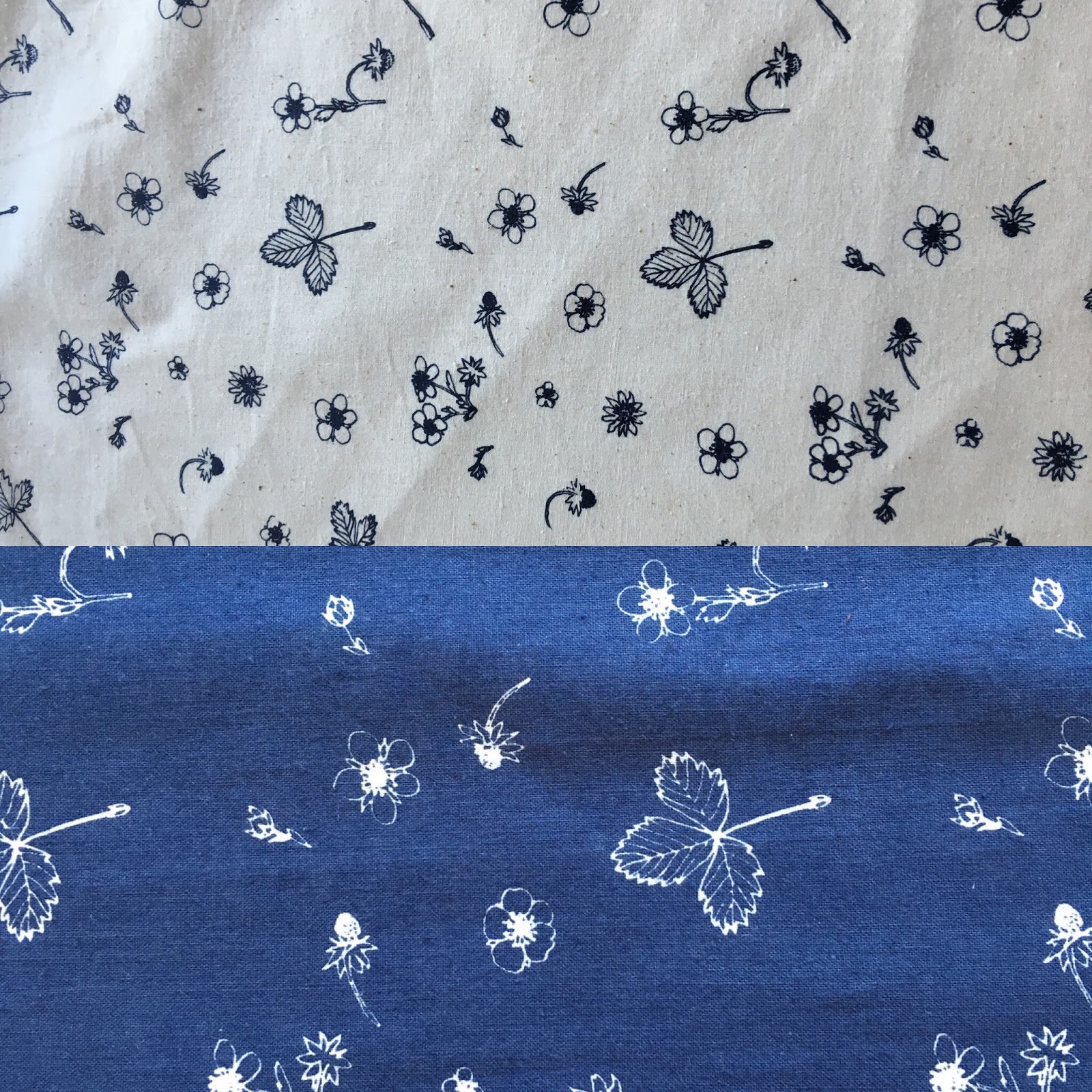
I only had a 70cm long piece of this blue fabric, and 90cms of the contrasting cream, so I knew I wanted to use them in the most efficient way possible. I ended up making this two-piece ensemble, with only a handful of scraps left over. I was also able to use up a few mother of pearl buttons from my button stash to add an interesting fastening detail.


Break the rules
So, did I go three months without buying anything new? Almost. I’d like to think that my one new purchase was for a good reason, though. Sophie, the owner of Gung Ho Design, also runs monthly beach clean-ups on the Thames foreshore. Seeing an ethical brand owner really living her values made me want to support what she is doing, so I treated myself to a pair of Gung Ho earrings (as well as going to the beach clean-up, obviously)!


Knowing what we already have in our wardrobes, and thinking about how we can transform average clothes into clothes we love, or swap clothes we don’t love for clothes we do, means we don’t have to head to the shops nearly so often. Organising or going to a clothes swap is much more sociable than filling our online shopping carts with impulse purchases, and sewing some simple alterations can make our clothes fit better, and give us a new appreciation for the people who made them! I might have to make a few new (ethical) clothing purchases as we head into autumn, but I’m also working on plenty of alteration and embellishment projects, so check back soon for more sustainable fashion inspiration!

Thursday, 12 April 2018

Futuristic Fashion: 3D Printed Sunglasses


As well as being an ethical fashion fan and general costume and sewing nerd, I also love geeking out about sci-fi and fantasy, and the way that futuristic or alternative worlds are brought to life. I do love a good future dystopia - Mad Max Fury Road being my current favourite - but when they start being referenced by politicians in a “this country won’t end up like that, honestly!” kind of a way, it’s a sign that things are getting too real and I need to look for my escapism somewhere else.


I’ve been finding Star Trek’s utopian vision of the future very soothing, as well as loving their costuming choices (I wrote about my favourite fictional fashion icon, Lwaxana Troi, for Women At Warp) and their magical piece of zero-waste technology, the replicator. I don’t think the show has ever reliably explained how this microwave-sized machine can produce anything from a cocktail to a costume for a holodeck adventure (something to do with gel packs??) but I’m happy to suspend disbelief for the notion of a device that could make whatever you needed and recycle it for you afterwards. No trips to the charity shop or time spent separating glass, cans and plastics for the crew of the Enterprise. 


The closest we’ve come to a replicator so far is the 3D printer, which has been used to great effect to make unique costumes for fantasy films. Costume designer Ruth Carter cleverly fused tradition and technology to create a headdress and mantle for Angela Bassett as Ramonda in Black Panther. The garments feature traditional lace patterns, but were 3D printed to suggest the technological capabilities of the fictional African kingdom of Wakanda. 3D printing produces show-stopping costumes, but to make use of the full potential of this technology on a larger scale we need to find a way to use it to produce everyday items, preferably in a closed loop system so we are not adding to the problem of plastic waste.


Dutch start-up w.r.yuma have done just this, making 3D printed sunglasses frames from recycled plastic bottles or reclaimed car dashboards. I supported their kickstarter in 2017 and received my fab sunnies earlier this year (just in time for the snow!) which come with a foldable case made from Portuguese cork. It was really interesting receiving updates as the making process was underway (I probably found the “outtakes” of the printers failing to print sunglasses  - and creating little abstract sculptures instead - much funnier than I should have) and a reminder of the effort that small brands are going to in order to make a big difference.


I wanted a suitable top to wear with my futuristic sunglasses, so I picked up a long-abandoned refashioning project: a cropped, short-sleeved sparkly silver sweatshirt. At some point in the past, I must have thought I’d rock a baggy cropped sweater (and been mistaken) as this is the second one I’ve had to refashion. It’s a good reminder that on-trend pieces are only worth adding to your wardrobe if they are going to work with your favourite clothes.


I had already unpicked the sleeves and hem before abandoning the project, so I marked a new side seam, and used the pieces I had cut off to add an extra band between the shoulder and the sleeve to make the sleeves a bit longer. This has added a nice little design detail to a straightforward project, and the finished sweatshirt feels much more “me”. The project wasn’t completely zero-waste, but a handful of off-cuts that are only a few centimetres long isn’t too bad.


The Barbican seemed the ideal location for some photos: it’s an amazing example of the futuristic architecture that was meant to usher in a new era of utopian living in post-war Britain, and there’s a slightly fantastical element to it (I can never find my way in by the same route twice!). Of course, the weather in Britain being what it is, it had snowed the day before we had planned to go there, so I wore a second-hand velvet skirt and vintage boots to complete the outfit.


I hope my zero-waste outfit will encourage other people to realise that futuristic fashion isn’t just the stuff of fantasy films, it’s becoming accessible to us here and now, and we can (and should!) support the innovators who are making closed-loop clothes manufacturing a reality.

Thursday, 14 September 2017

Zero waste pattern cutting project: a jacket I can make in a day!

Inspired by #zerowasteweek on Twitter last week, and the fold-your-own Balenciaga jacket pattern at the V&A Balenciaga exhibition, I decided to try to use up some of my fabric stash in the most efficient way possible, by making my very own zero-waste jacket!


I had bought this blue brushed cotton drill years ago, for a project I'd long since forgotten about or abandoned, and it wasn't until my Mum asked me if I had some blue fabric she could use to mount an embroidery project that I even remembered that it existed! After she had cut out what she wanted, I had a large piece (46 by 60 inches) and a long thin piece (approx 40 inches by 20). I measured the paper pattern from the V&A and scaled it up, so it would actually fit me, then drew directly onto the fabric rather than making a paper or calico pattern as I usually would. 


The paper pattern has two vertical fold lines, which form the centre of side-seam darts, giving the coat its 'cocoon' shape. It also has two horizontal darts, creating shoulder shaping, horizontal 'cut' lines which form the sleeve shaping, and a T-shaped 'cut' line which creates the neck opening. I machined the darts first, then cut along the lines and folded the fabric back on itself to create the sleeves.


I tried on the basic coat shape (and photographed it on my dressmaking mannequin) and was pleased with the result; this style really needs to be made from a fabric that will hold its shape for the full effect, and I'd probably cut it slightly larger if I was going to make it again so it would drape around me, but I definitely had the base for a decent jacket.


I had wanted to use this fabric to make a jacket that would be useful for autumn or spring, so I decided to add an extra piece on the sleeves to make them full length, and an extra piece around the centre front and neck edges that would form a shawl collar and an overlap to allow for fastenings on the front of the coat. Oh, and pockets, of course!


Ok, so the coat wasn't completely zero-waste; after straightening up roughly cut edges and working around the awkward shape of the fabric I had to begin with, I've produced this pile of off-cuts, and I'm left with a 25 by 10 inch piece of fabric. The offcuts are less than I would end up with if I had been making something with a lot of curved seams, and I'm going to hang on to the larger piece to use for the cushion covers I want to make for my flat! 


The coat was incredibly quick to make; I spent about 5 hours on it from start to finish. Drawing straight onto the fabric is very different from the way I normally work, but it felt freeing to be creative on the fly rather than carefully following a plan or pattern, and trying to use up as much fabric as possible didn't feel restrictive (it encouraged me to make extra large pockets!). This sort of zero-waste dressmaking would be great for anyone who struggles with shop-bought patterns, and it doesn't require any knowledge of special techniques or use of anything other than a basic sewing machine and a needle and thread.